Indianapolis Flood Relief Efforts (Summer 2026)
The summer before my lecturing position at Butler University started, Indianapolis and other parts of the Midwest receieved historical amounts of rain in early August. Due to so much rain, the White River overflowed, flooding areas all around it. Several communities in Indianapolis did not have proper flood infrastructure, and faced hardship. The area near me hit the hardest was a neighborhood called Ravenswood. In that community, almost everybody had intense property damage. When I heard how much people lost, I was devastated. I mainly was worried about peoples' pets (primarily cats) staying safe and dry, as I was very close to having to evacuate my apartment near the Indy canal to keep my pets safe. I had a go-bag by the door and was in contact with local police to understand how information would get diseseminated if the call was made to evaucate my apartment. Luckily, the floodwaters did not reach us and we were safe.
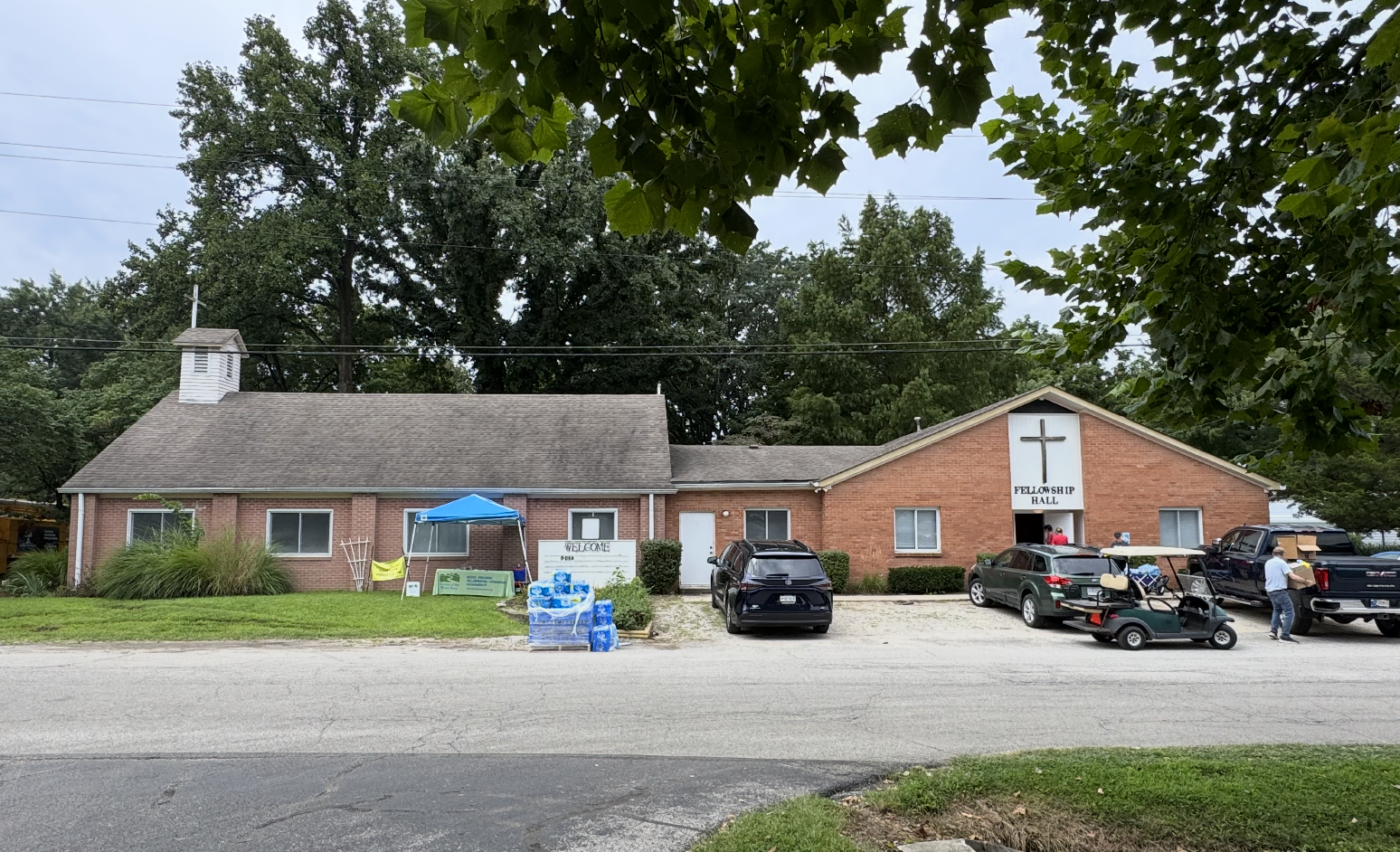
I heard through some online spaces that a nearby church called Glendale Christian Church was leading flood relief efforts, but they needed a lot of help.
When I arrived, I found a tiny church with just a few rooms completely filled with donations and utterly disorganized. Families were coming into the church, but they were having trouble finding anything and they were getting bottlenecked at the door. The worst offender was a tiny side room that acted as a catch-all for clothing that people didn't want. I had the impression that locals took this as an opportunity to clean out their closets and throw stuff in garbage bags. I found bags full of weird objects- wicker baskets, mismatched shoes, stained bras/underwear, ratty and ripped t-shirts, etc. I spent maybe 12 hours over the course of several days organizing that room and helping people find clean clothing in their size. Here's what the room looked like when I got there.
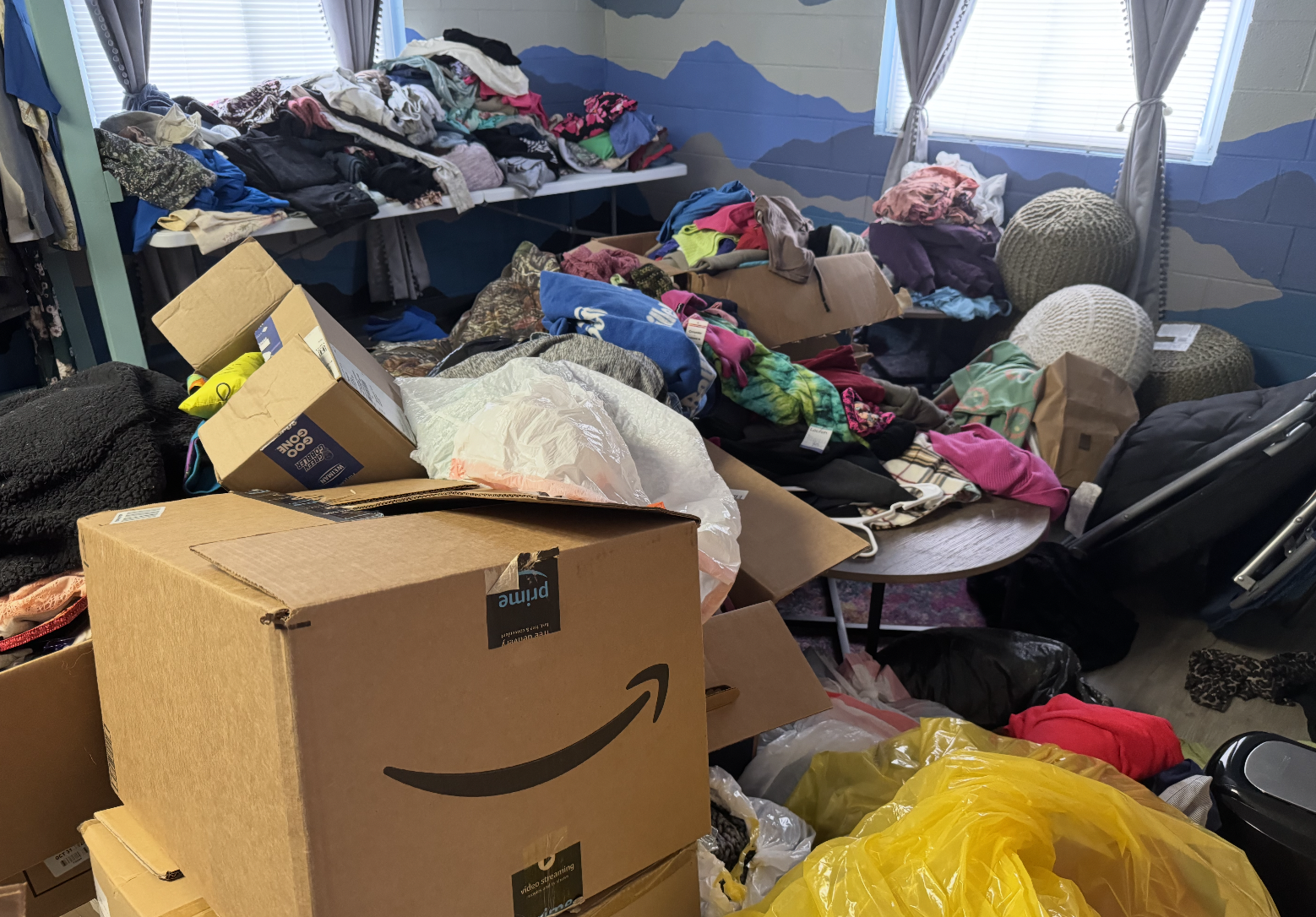
I should've taken a picture after my efforts but didn't.. Anyway, I sorted clothing based on gender and size. I had to put towels, blankets, and a lot of other weird stuff in a completely different part of the church. I folded everything and made nice piles on the perimeters of the room, and I guided people to find objects in the correct sizes when they came in. It was all very overwhelming but I'm glad I could at least make a difference a little bit.
Another part of the church where I spent a lot of time was by the pet supplies- I made sure that people could find dog/cat food, cat litter, litter boxes, litter liners, etc. I noticed that out of all the donated items, it seemed like pet lovers poured the most resources into pooling materials for pets.
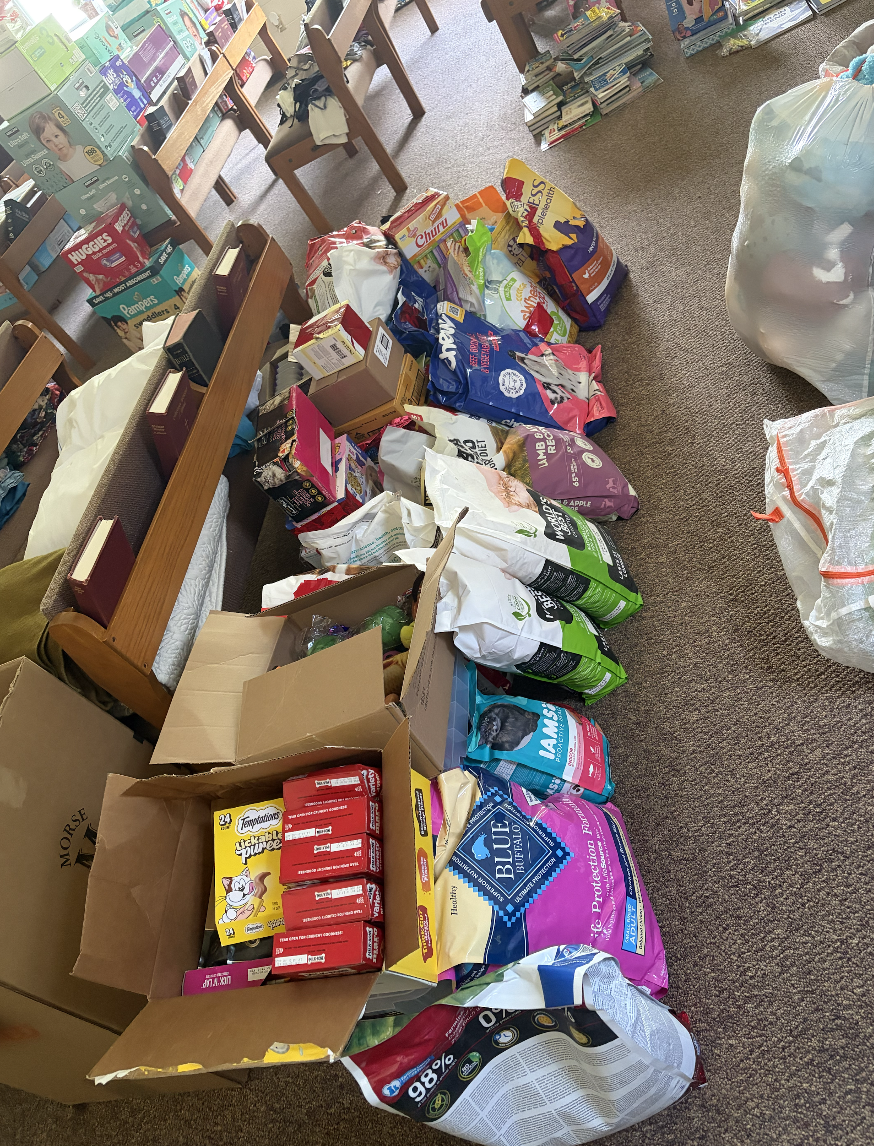
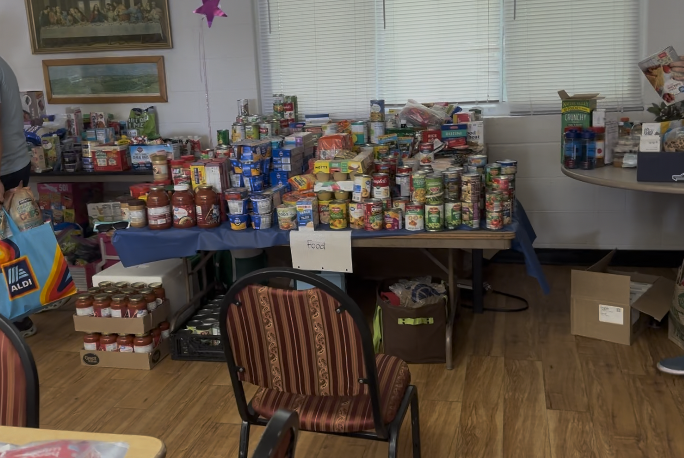
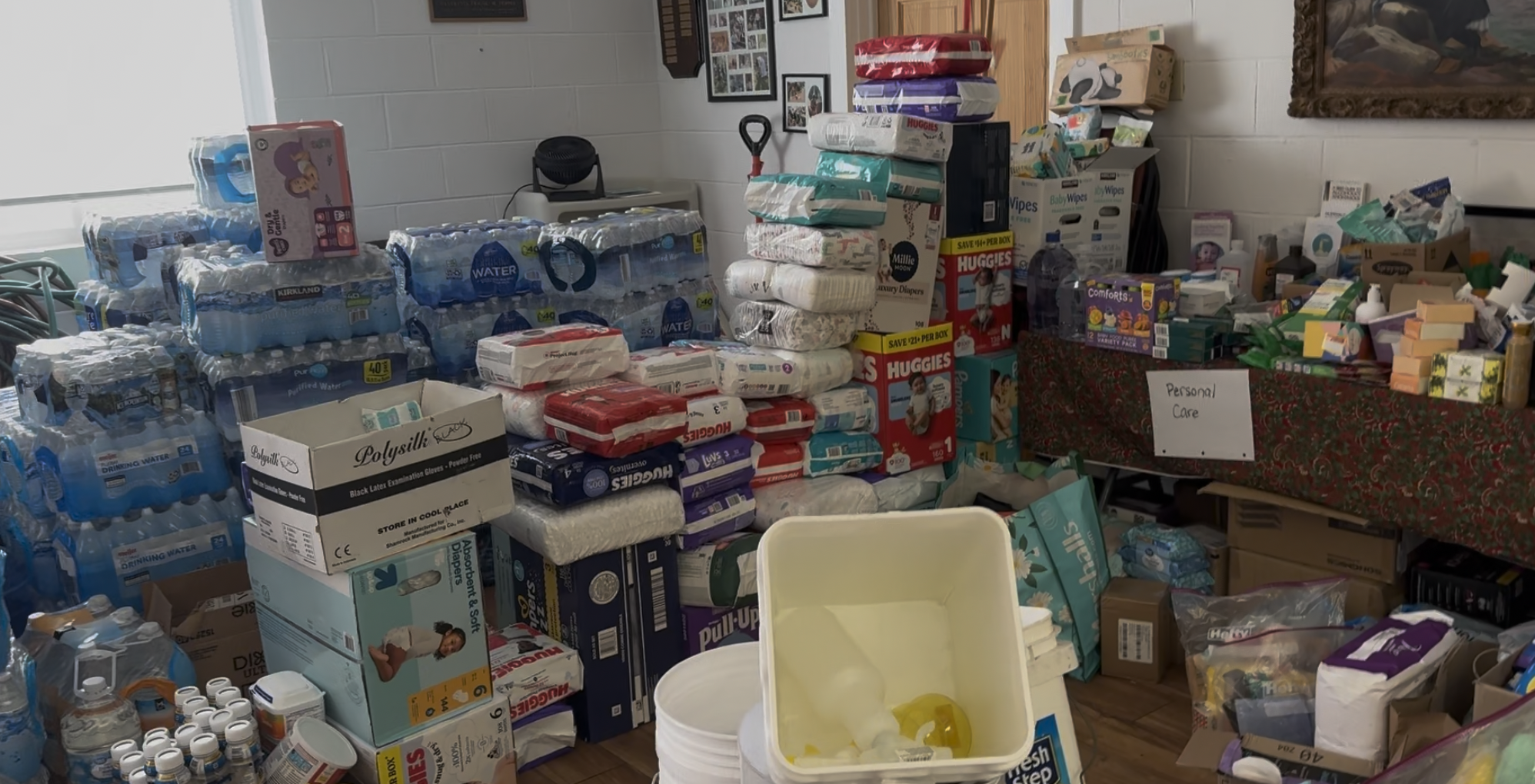
I also spent maybe 10% of my time organizing other supplies with other volunteers while I wasn't working in the disastrous clothing room. Here are some other pictures of donations that I helped to organize.
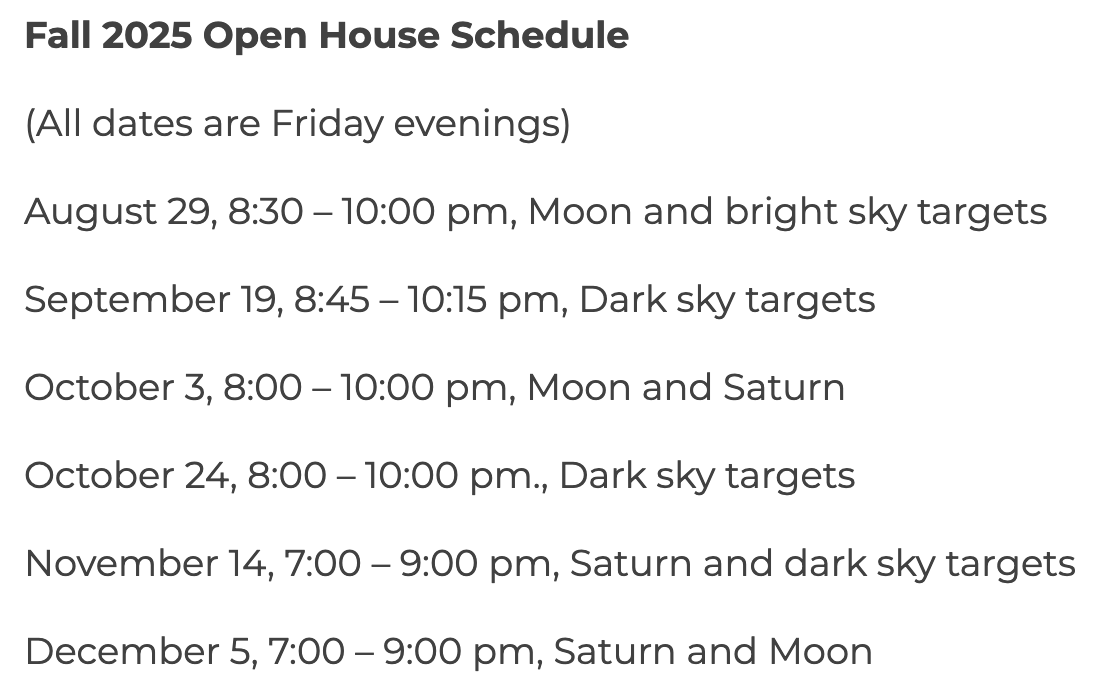
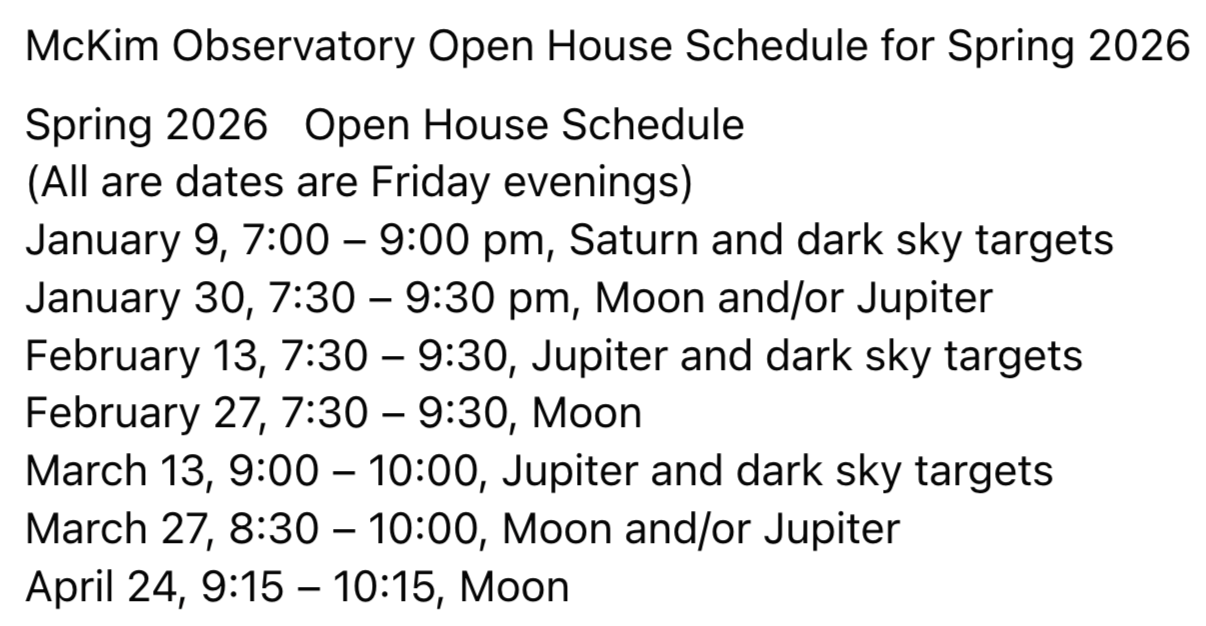
Through Fall 2025 and Spring 2026, I regularly volunteered at the McKim observatory. I worked closely with Dr. Mary Kertzman, Dr. Alexander Komives, Dr. Howard Brooks, and Dr. Oscar Qu to get a headcount of members of the Greencaslte community, greet people, answer questions, and give tours. We can see the Fall 2025 and Spring 2026 open house hours below, along with descriptions of what celestial bodies we observed with the Clark Refractor that night:
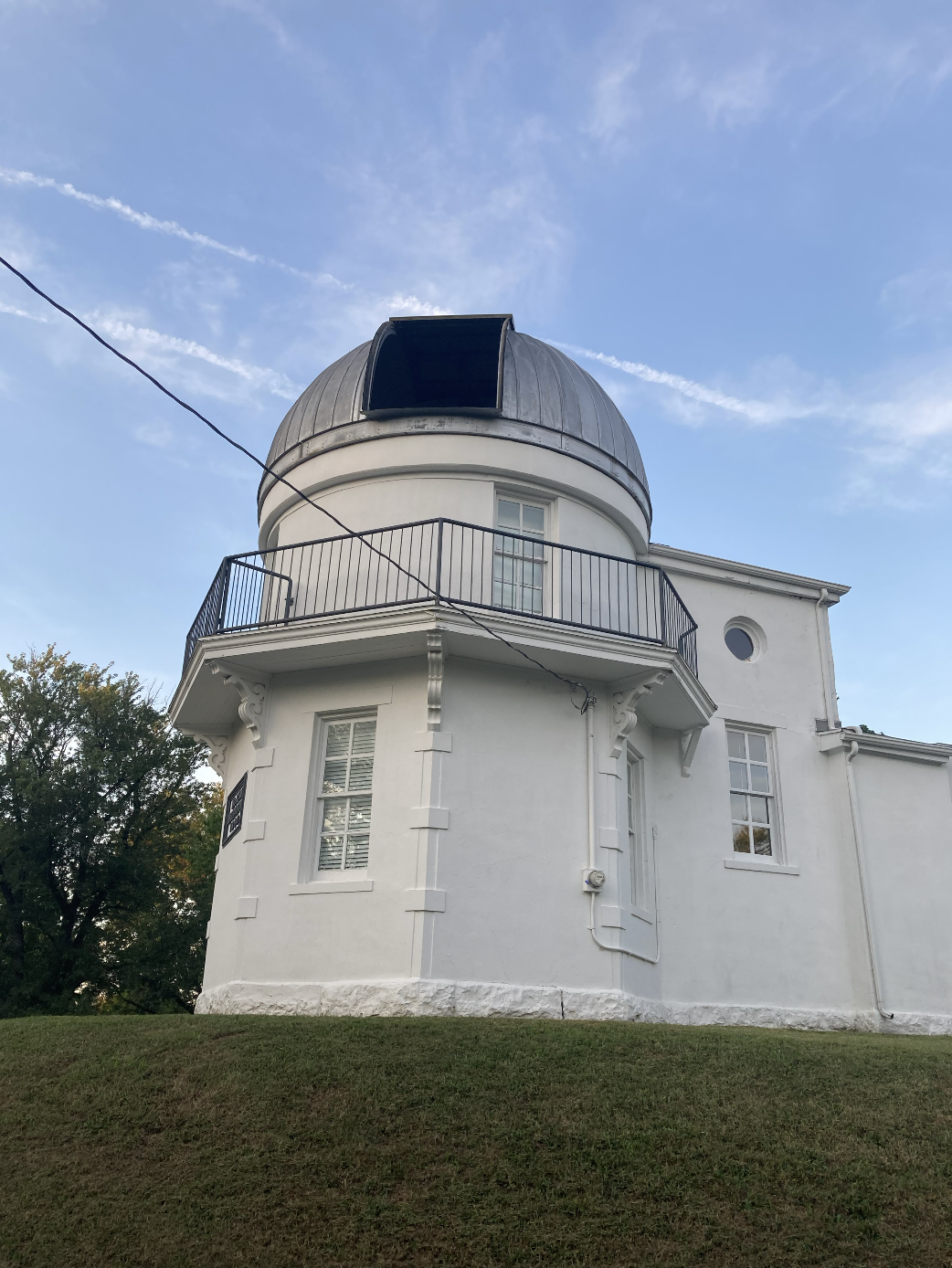
The observatory is beautiful from the outside. The top of it has a big metal dome that opens up so the Clark Refractor can stick itsbig nose out and look at everything. The dome gets stuck and can't open when it's too icy. To reduce visual distortion from heat, they don't heat the building in the winter, which makes for an extremely chilly open house. We use red lights upstairs since it impairs your vision the least.
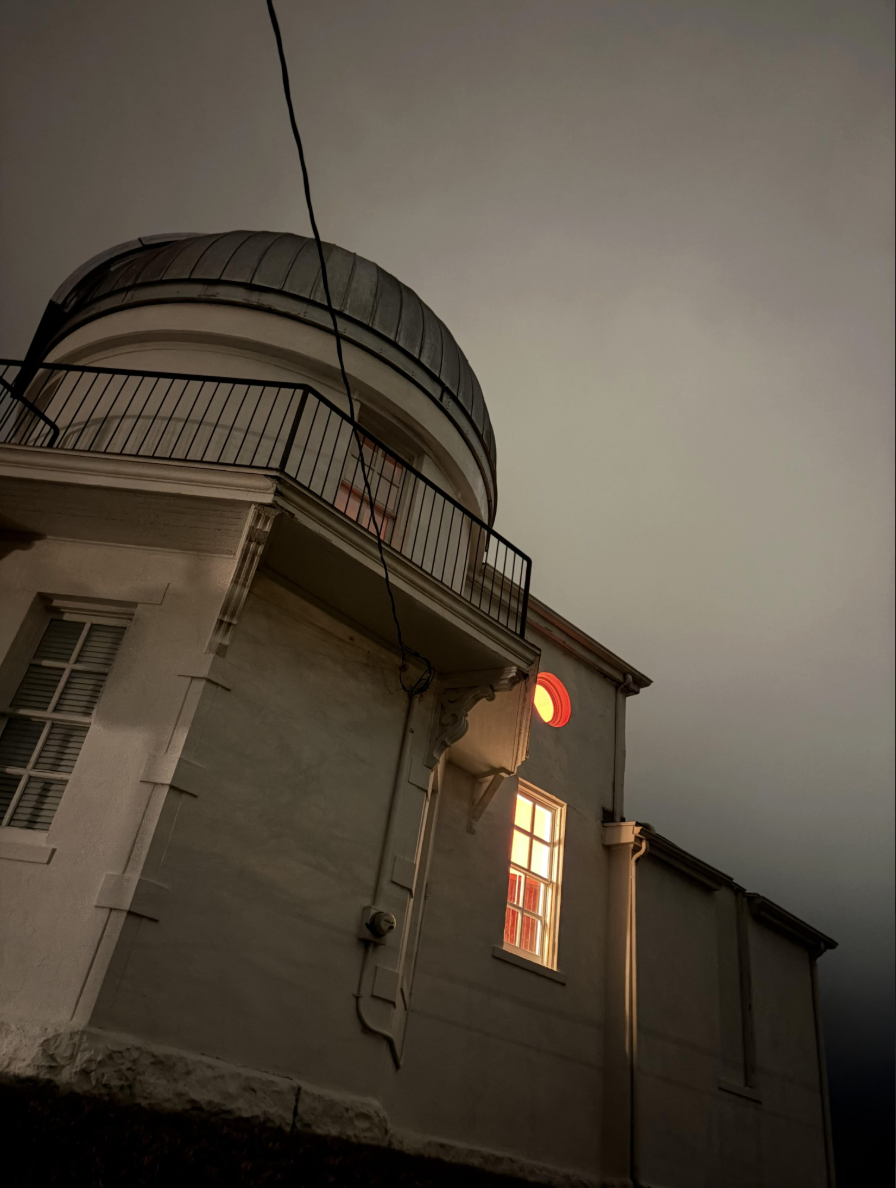
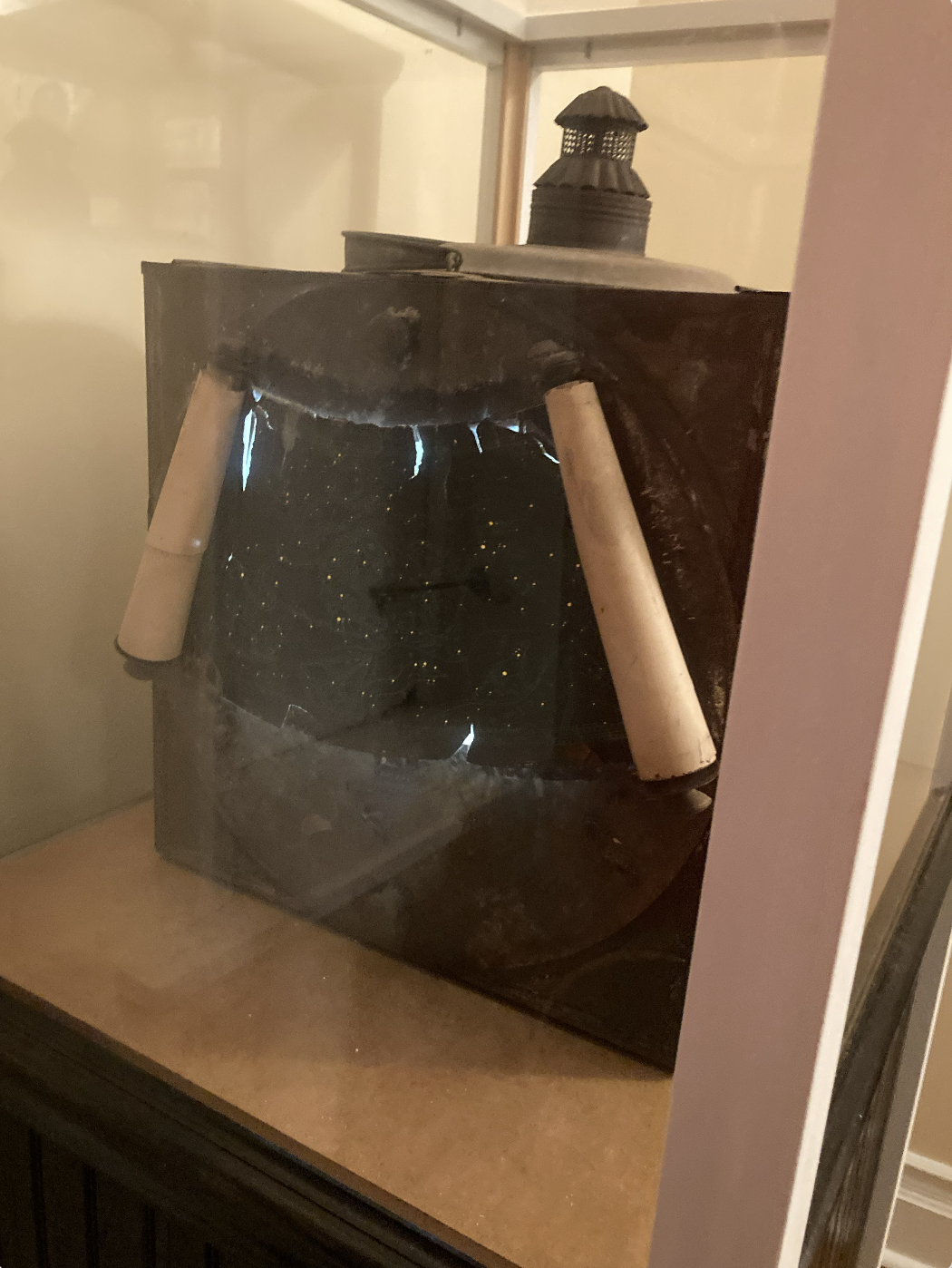
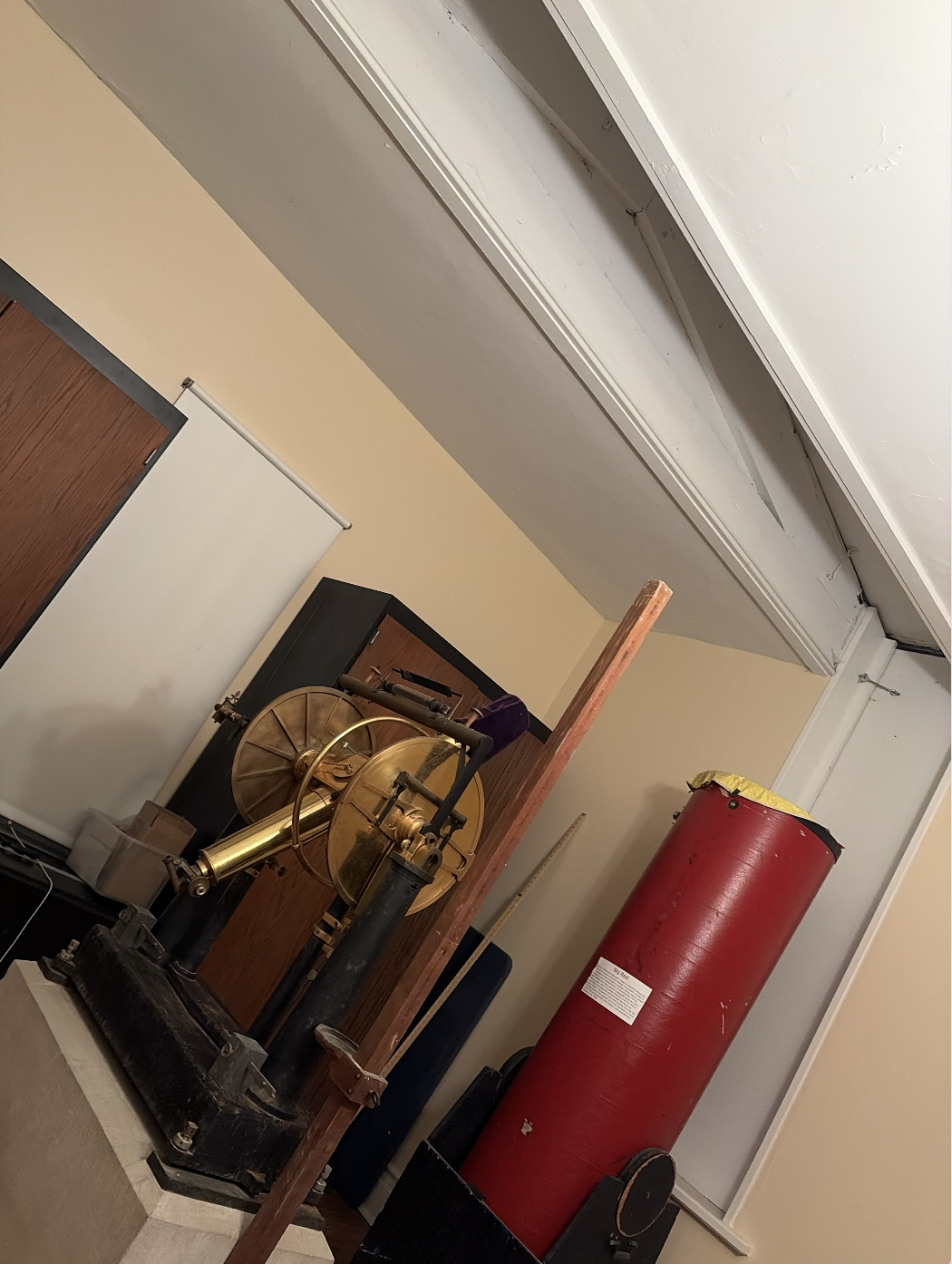
One of the most beloved artifacts in the McKim Observatory is something called "Bailey's Astral Lantern". It was originally made to map out the night sky and to depict the various constellations to people. Here's avideo of Dr. Mary Kertzman showcasing the lantern! Here are my own pictures of it below, but I'm not the best photographer...
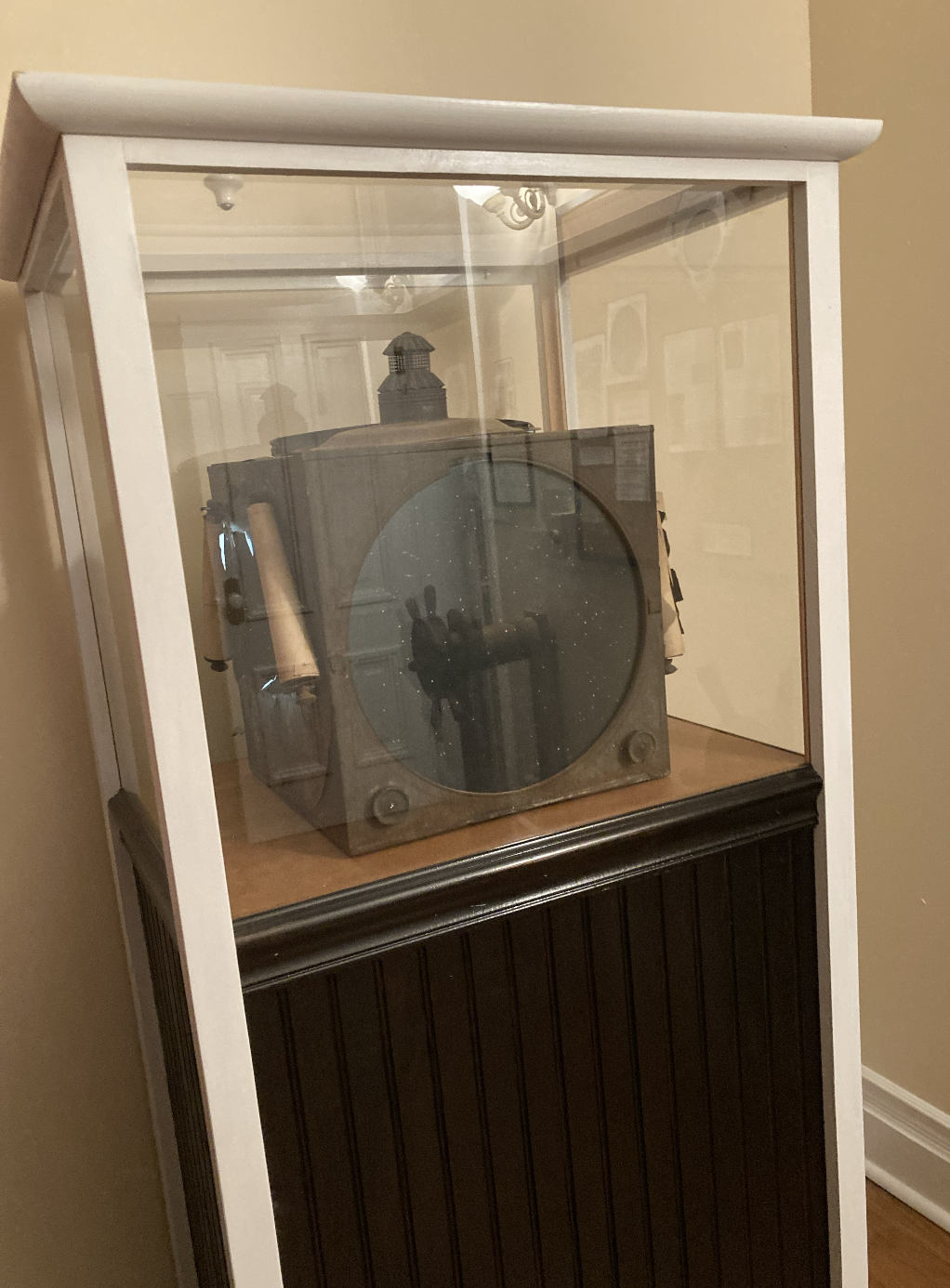
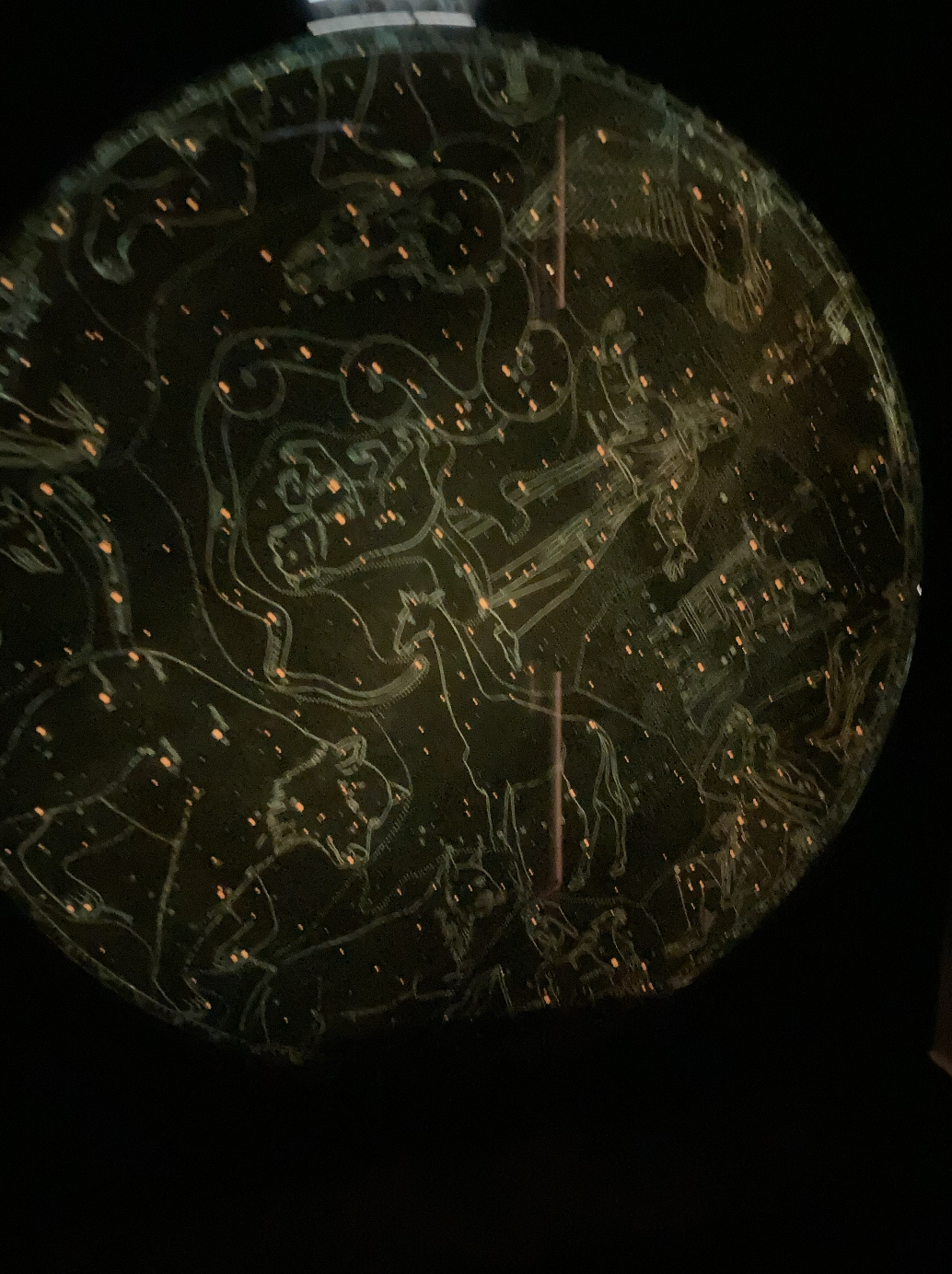
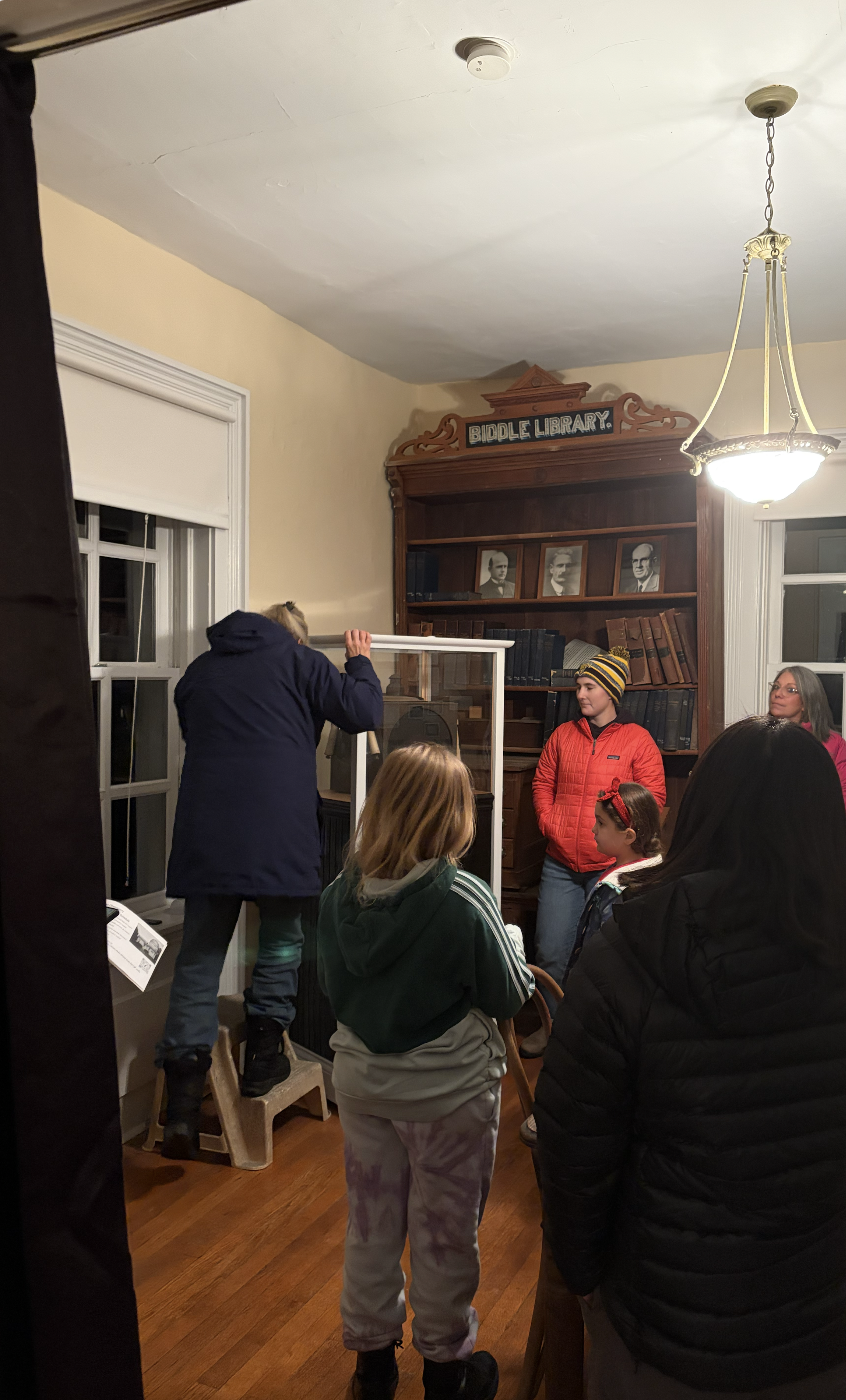
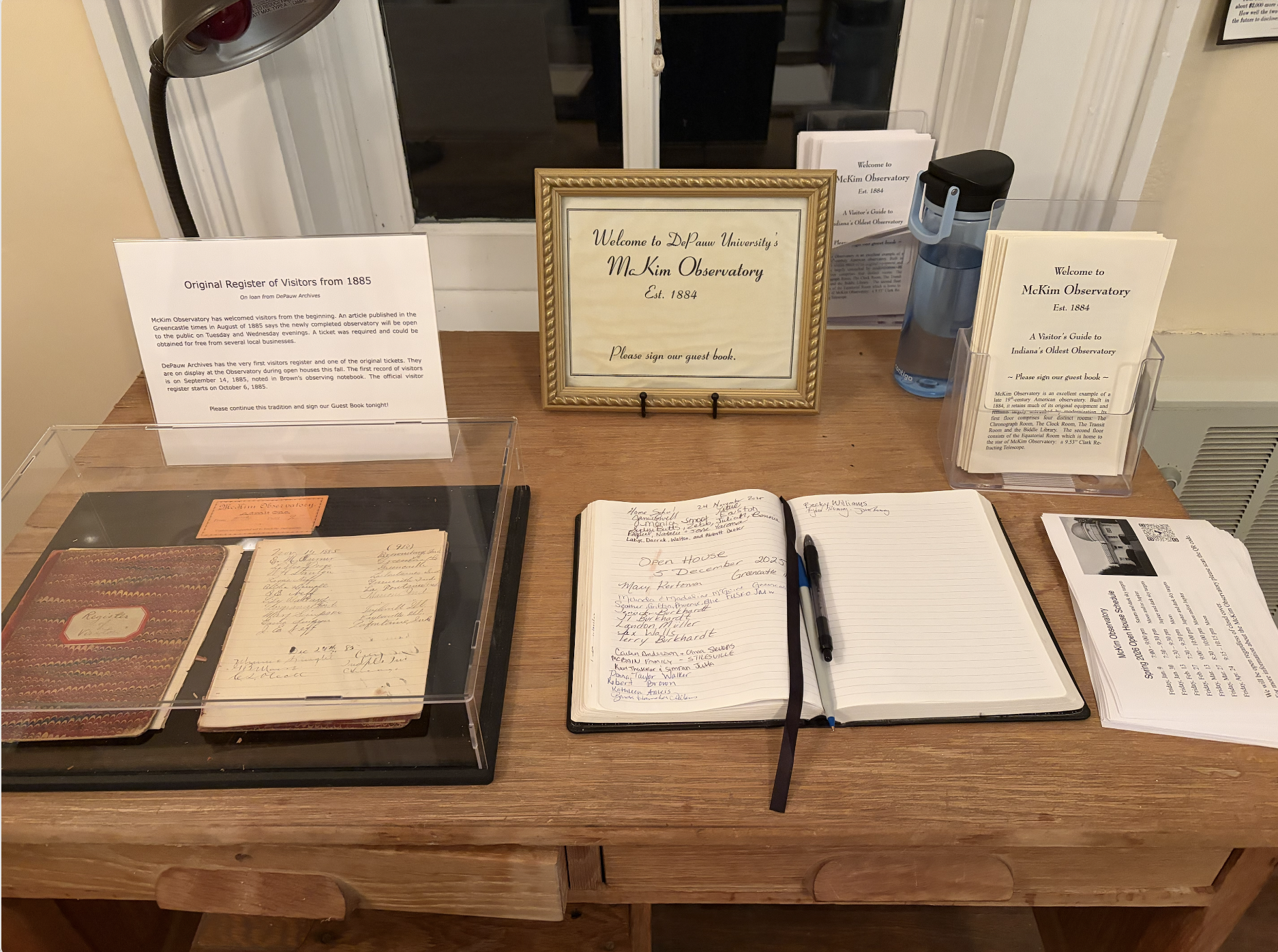
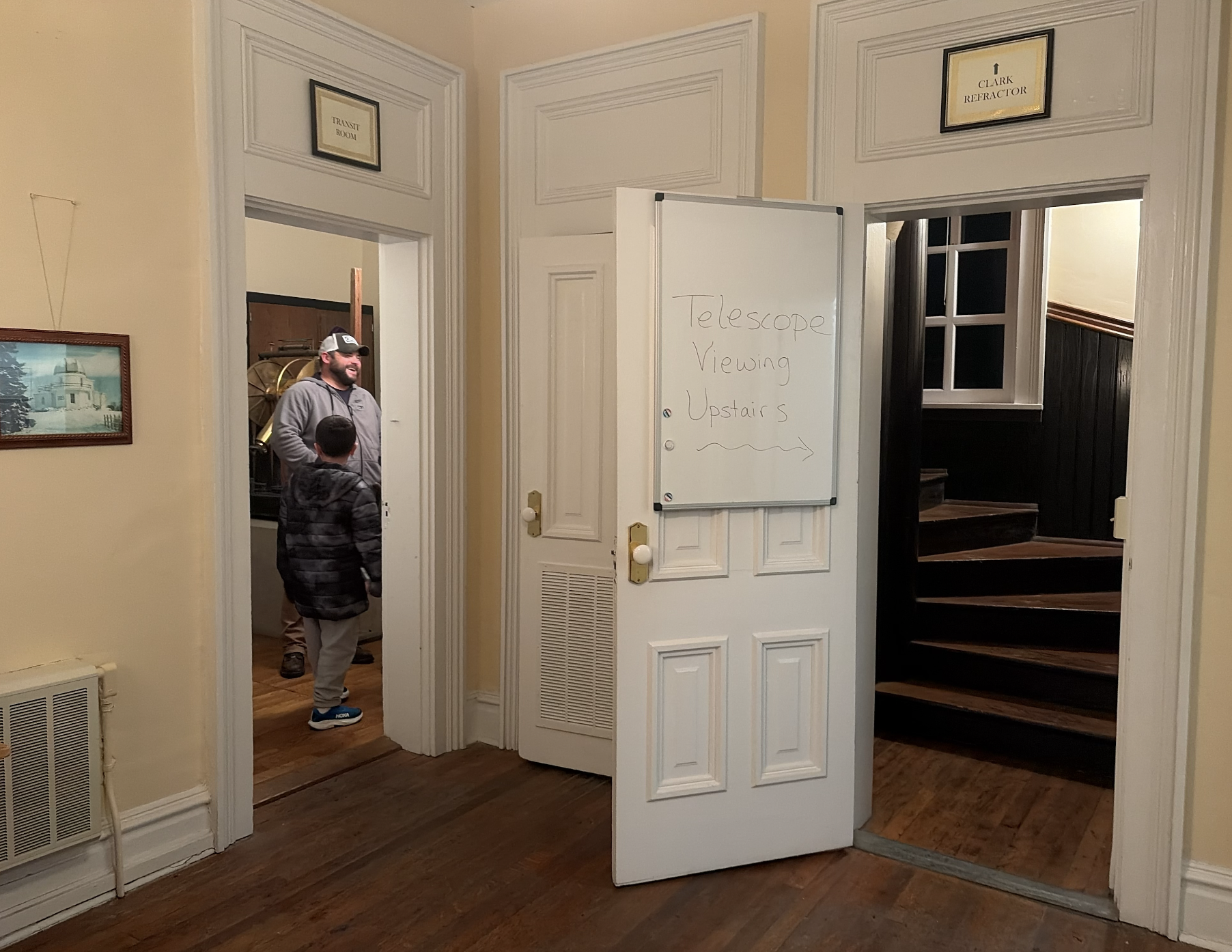
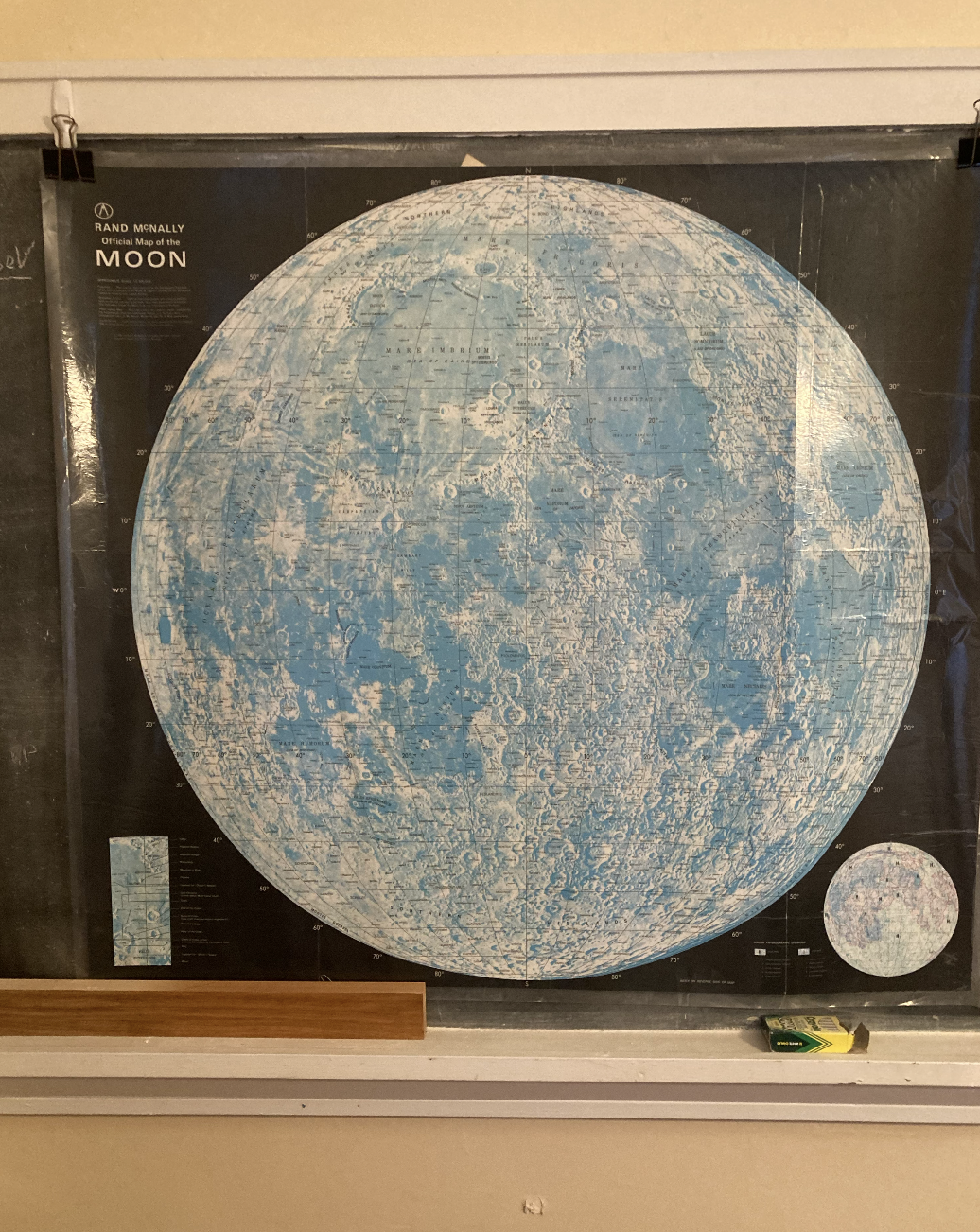
Here are some other pictures from the inside of the observatory. Hover your mouse over each image for extra info:
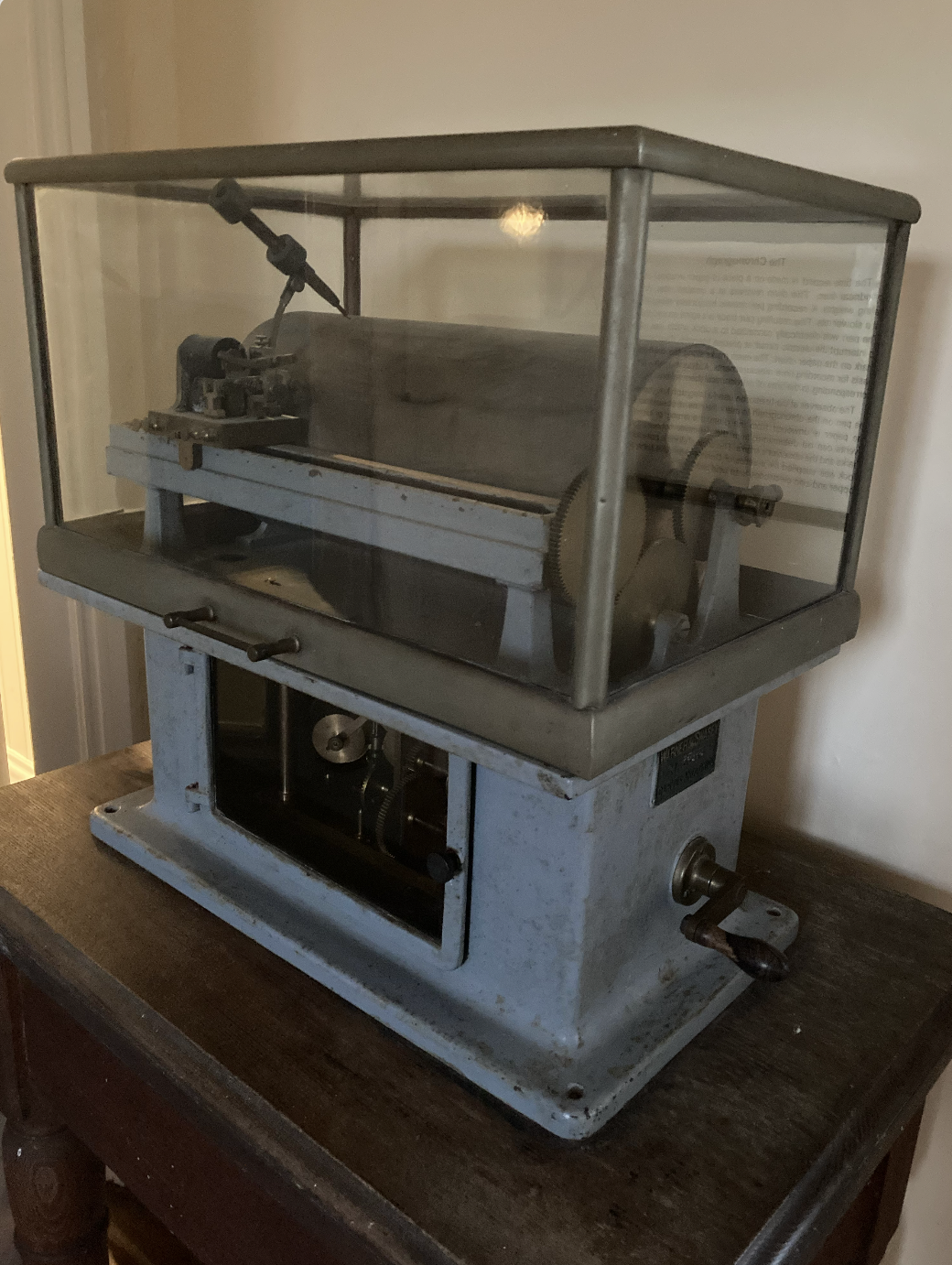
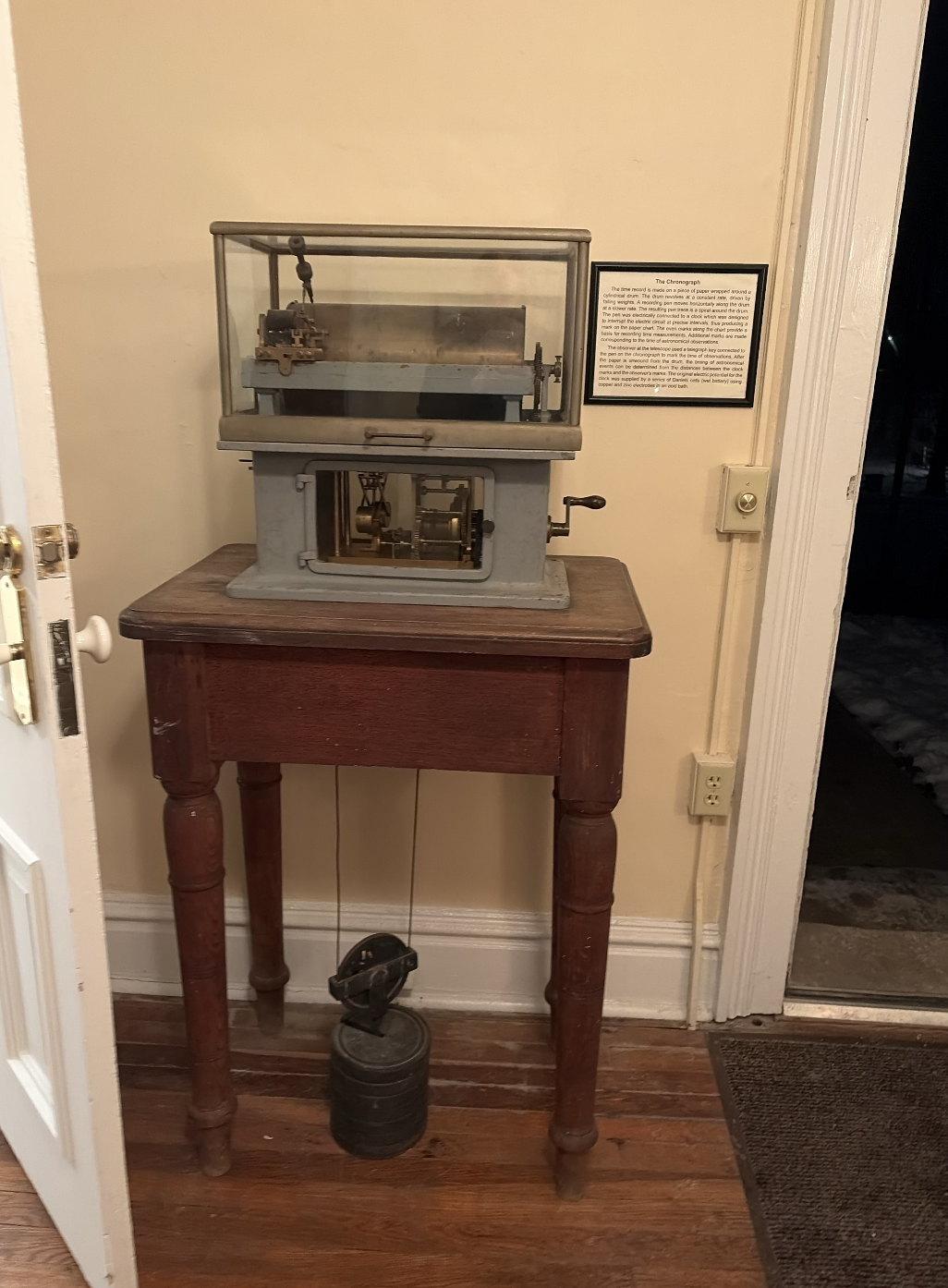
McKim Observatory Slides Digitization Project (Spring 2026)
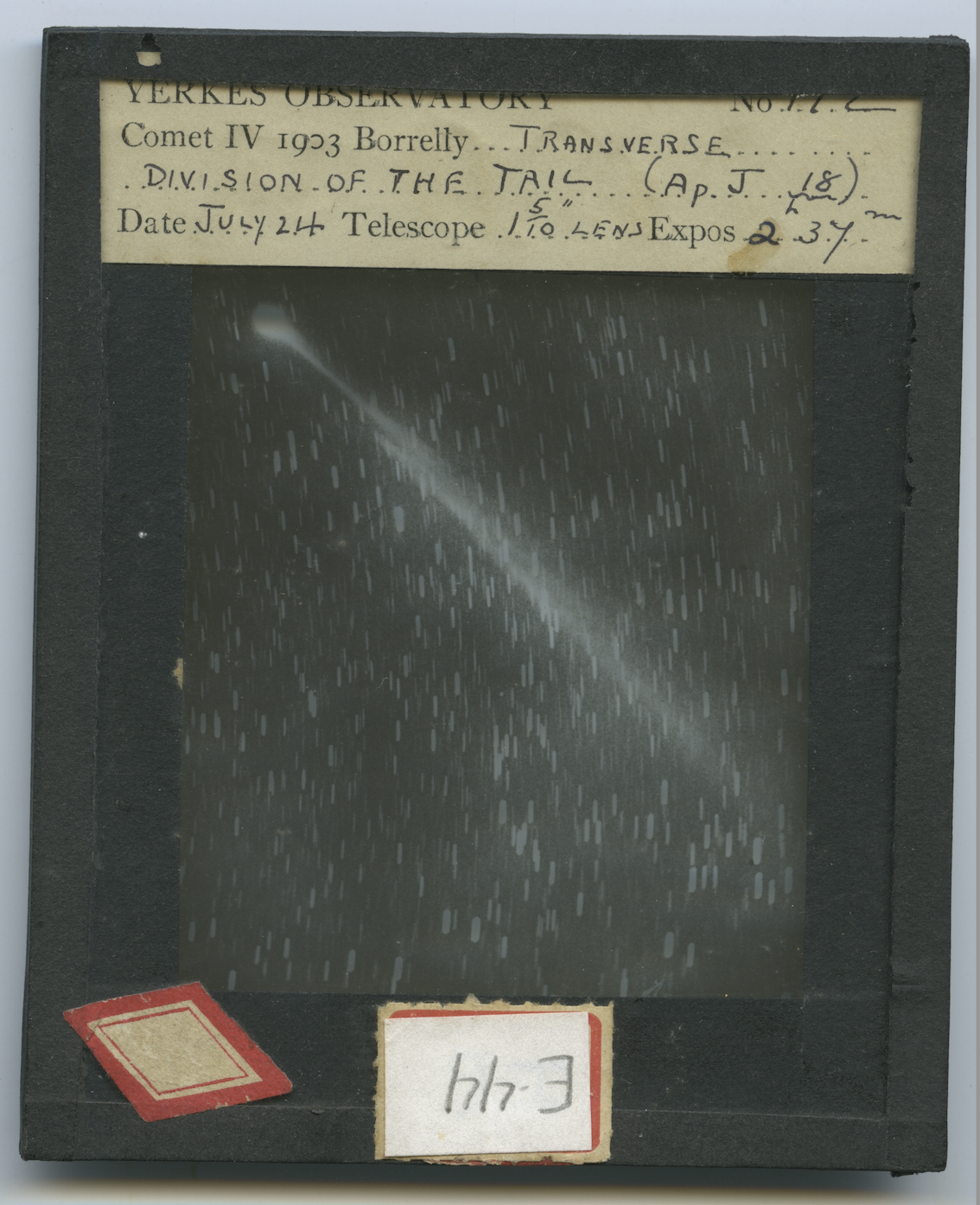
When I arrived to DePauw, Dr. Mary Kertzman mentioned that she'd appreciate help with digitizing their lantern slide collection and uploading it online in a searchable manner. Here's what the front of a typical lantern slide looks like:
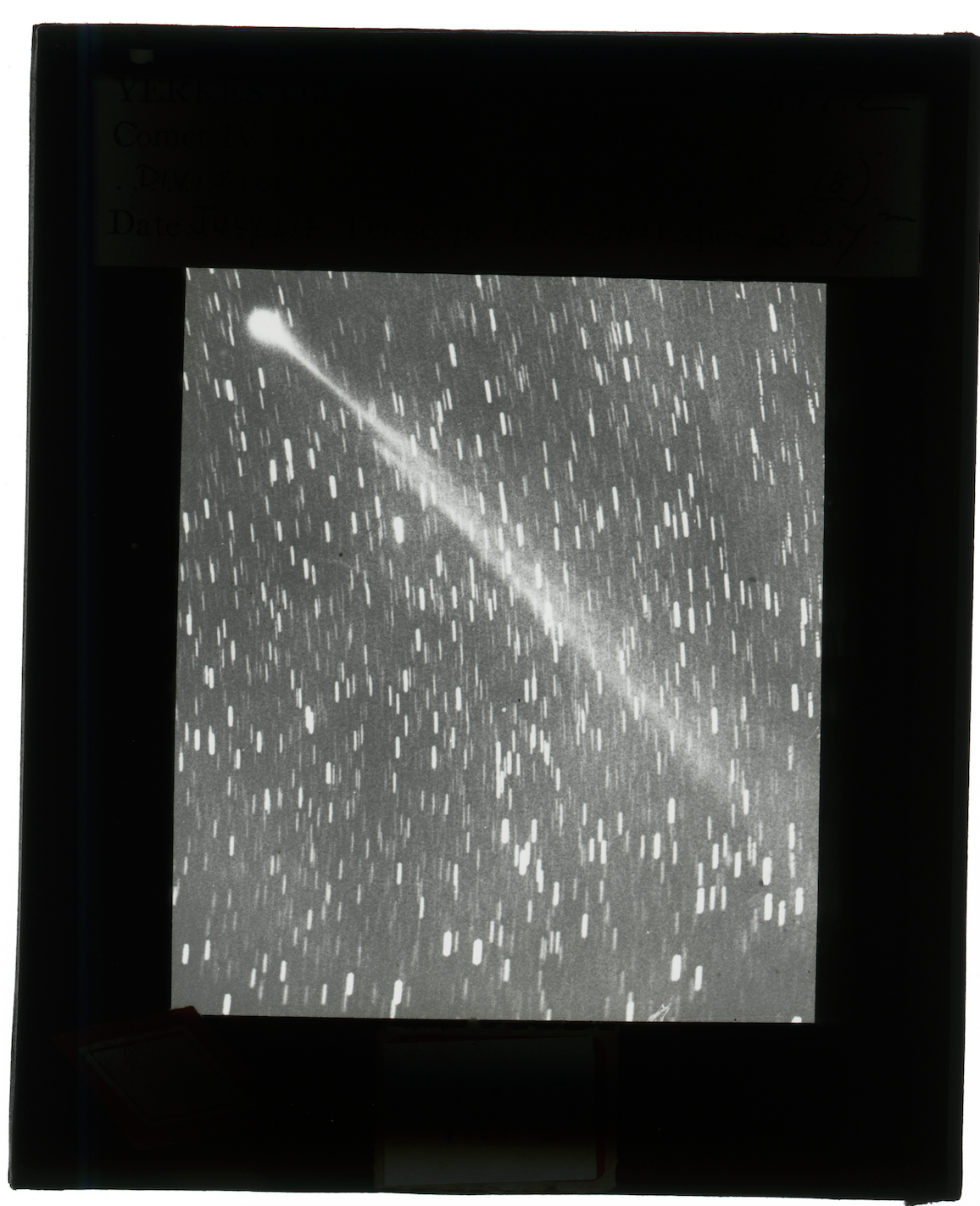
Here's the quality of scan I was able to get by collaborating with the Archives department at the Putnam County Public Library:
I'm still in the process of getting all the slides scanned- I think there are about 800 of them. My girlfriend, Emma, helped me to set up a website to showcase the slides along with their tagged metadata. Here is the current version of our McKim Slides Website! It's still a work in progress.
Randolph Street Community Garden (Summer 2022 and 2023)
During my grad school years in Champaign, IL, I helped out at a local community garden called Randolph Street Community Garden. At that garden, I had a whole plot where I implemented companion planting to maximize the amount of produce I grew. I was able to donate my produce to local food pantries, which was nice. Here are some pictures of starting out the garden. I tilled the soil and made raised beds, drew up a spreadsheet of where I would plant things, and then my dad came over to help me plant!
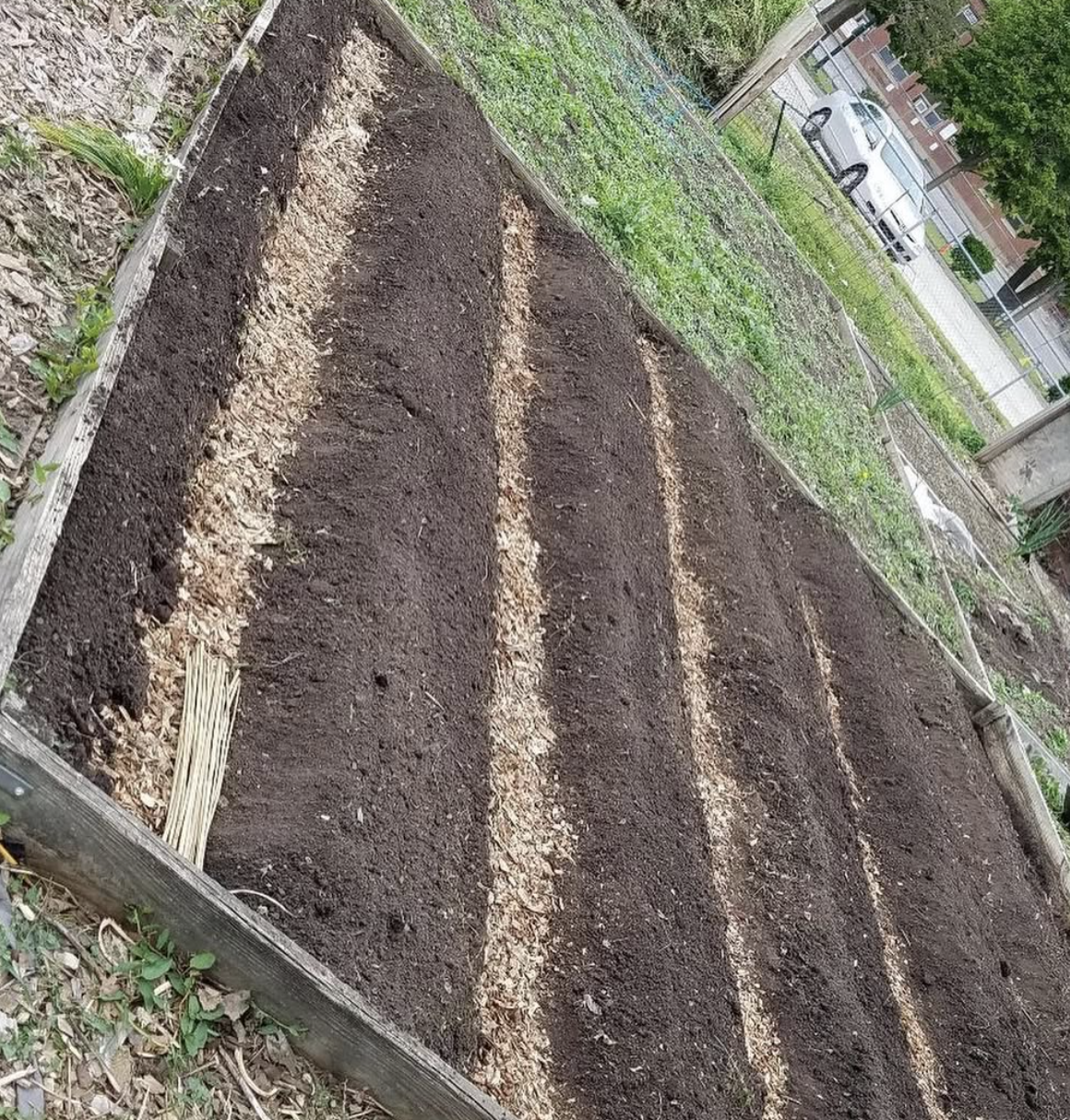
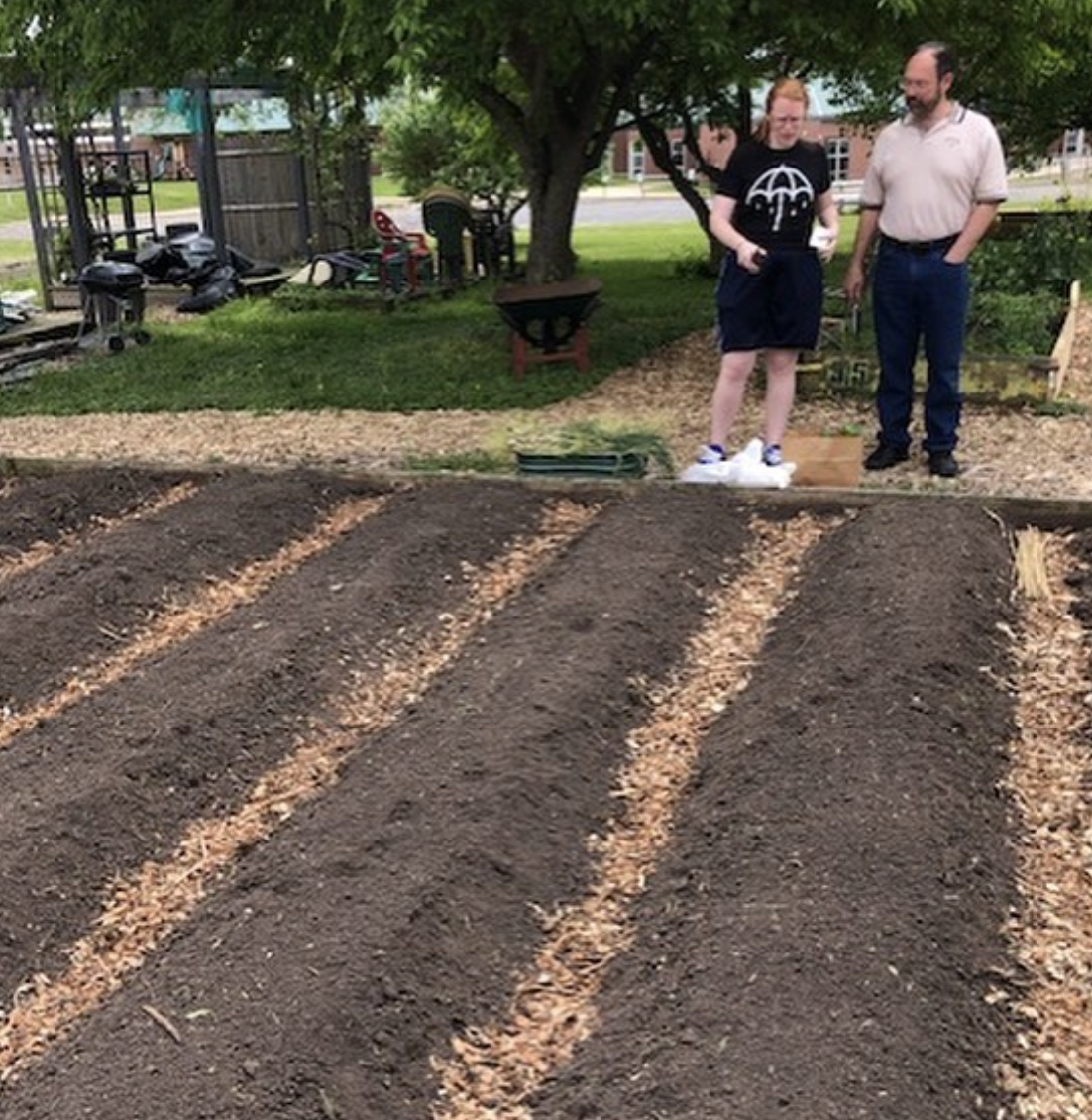
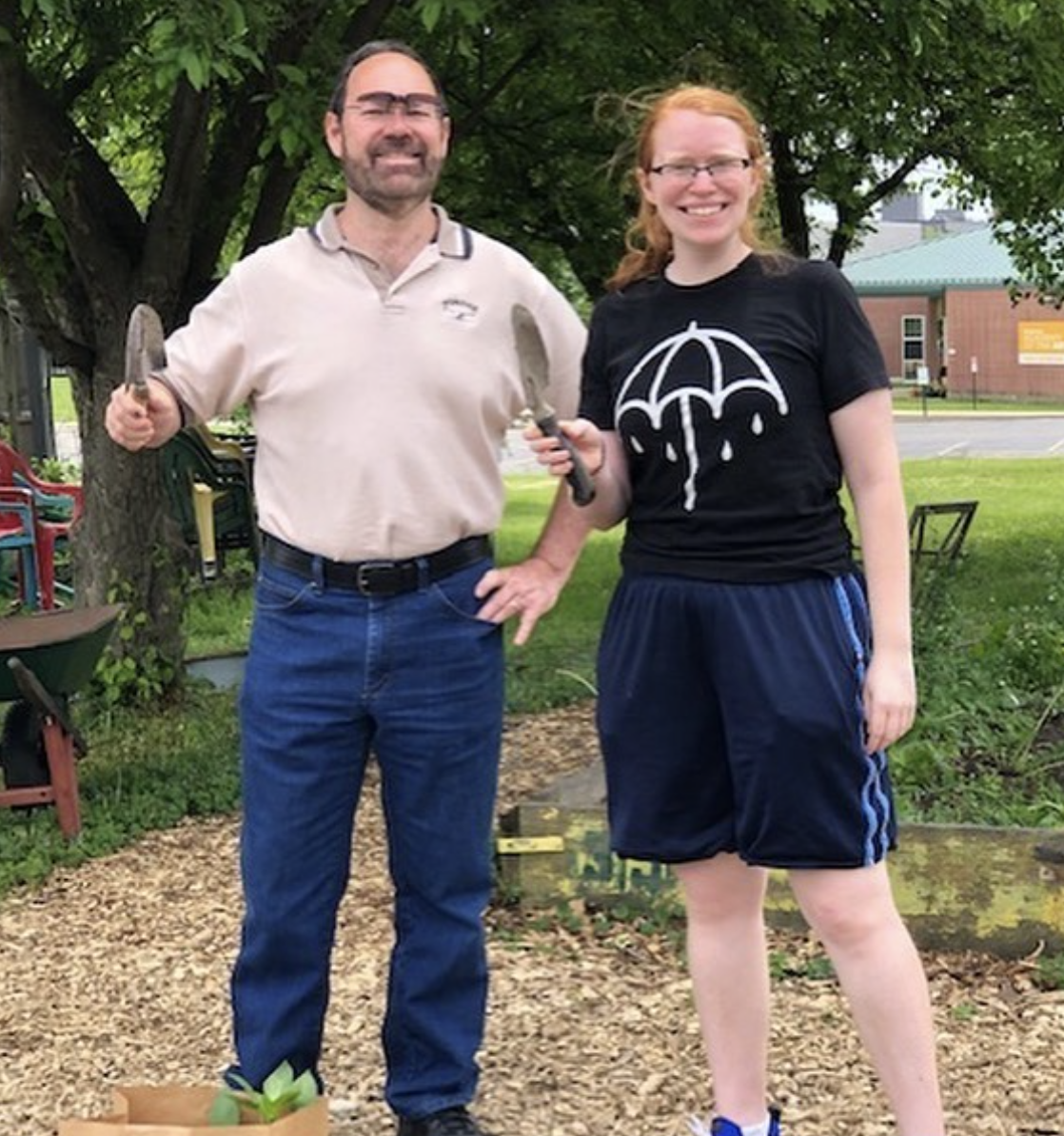
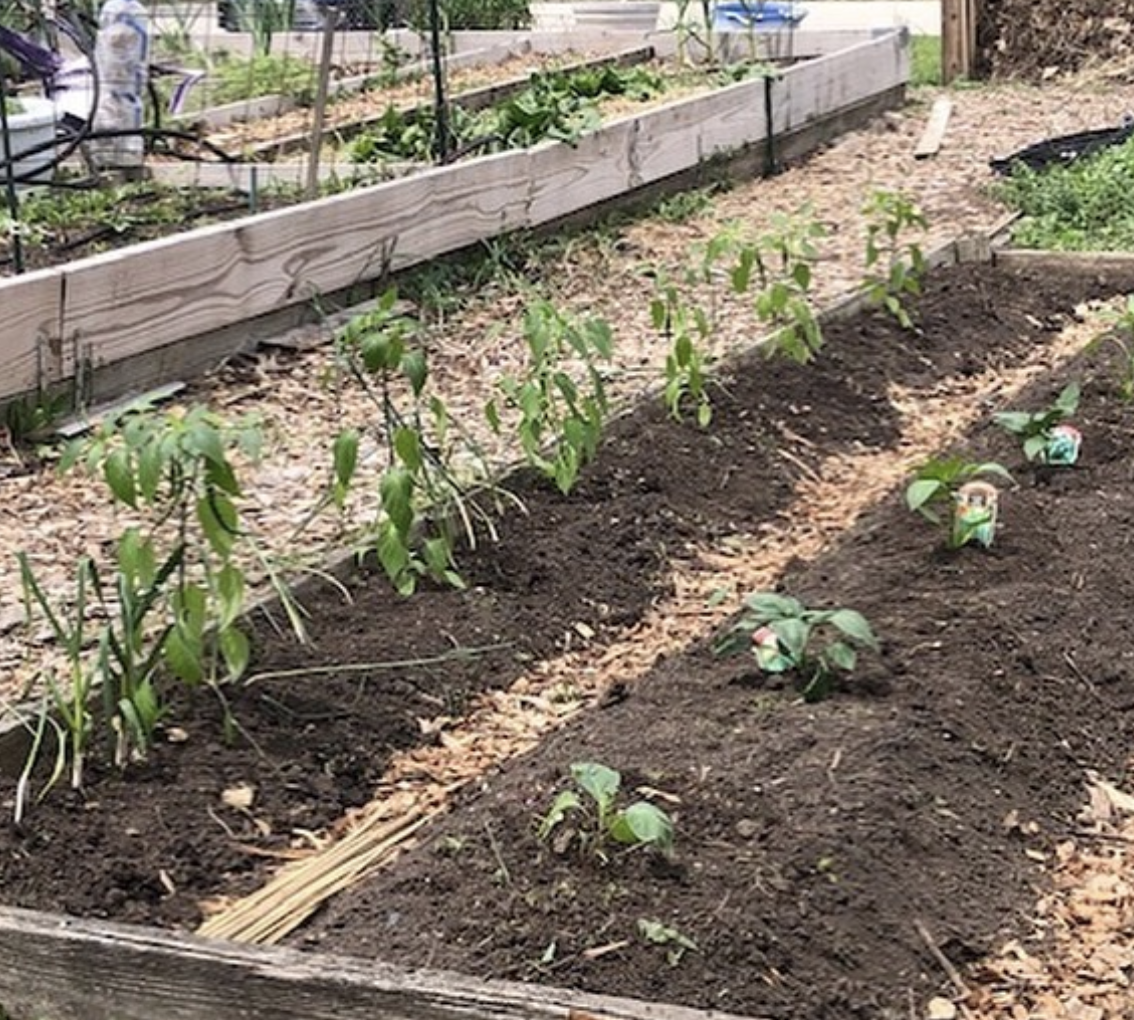
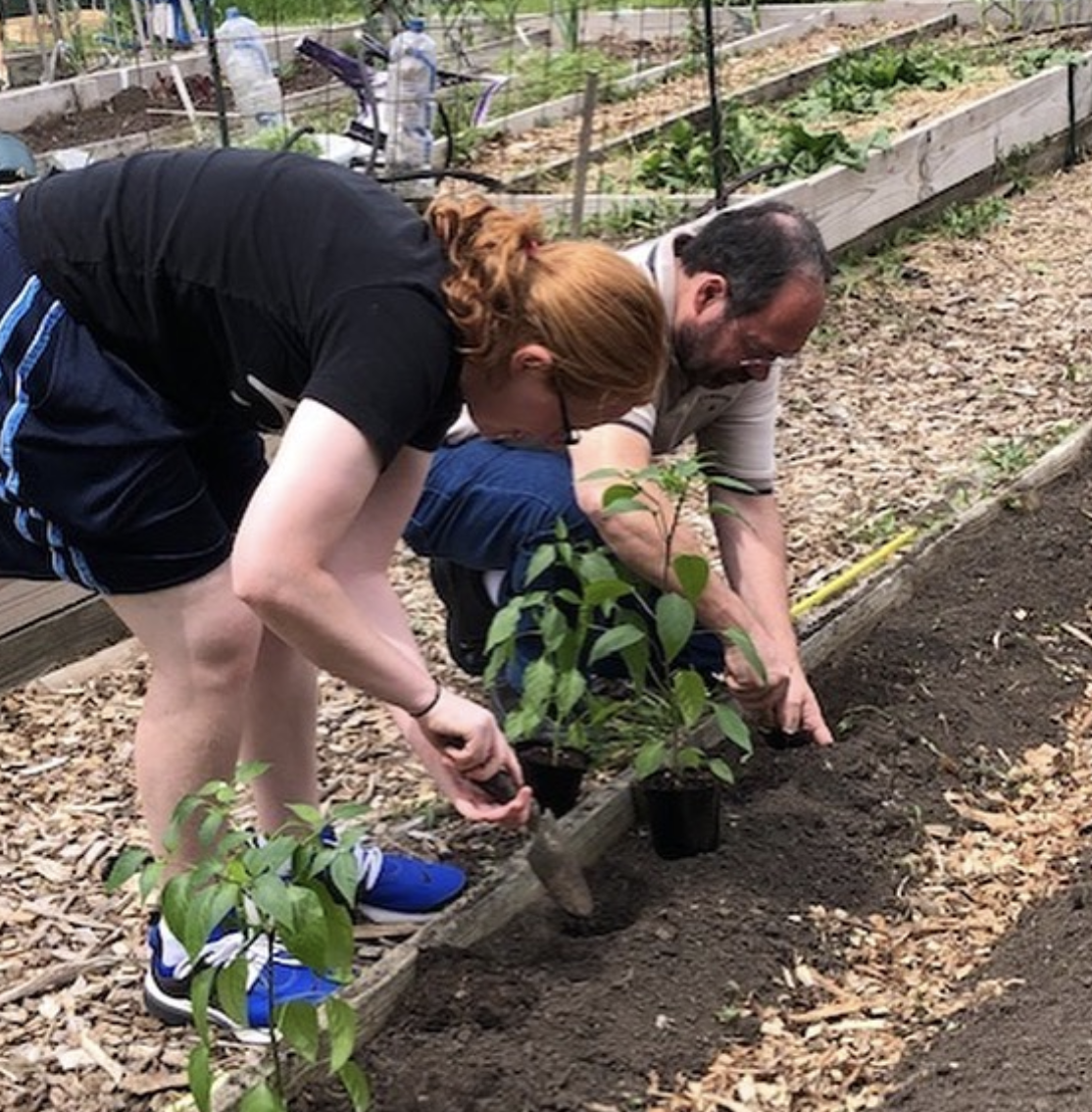
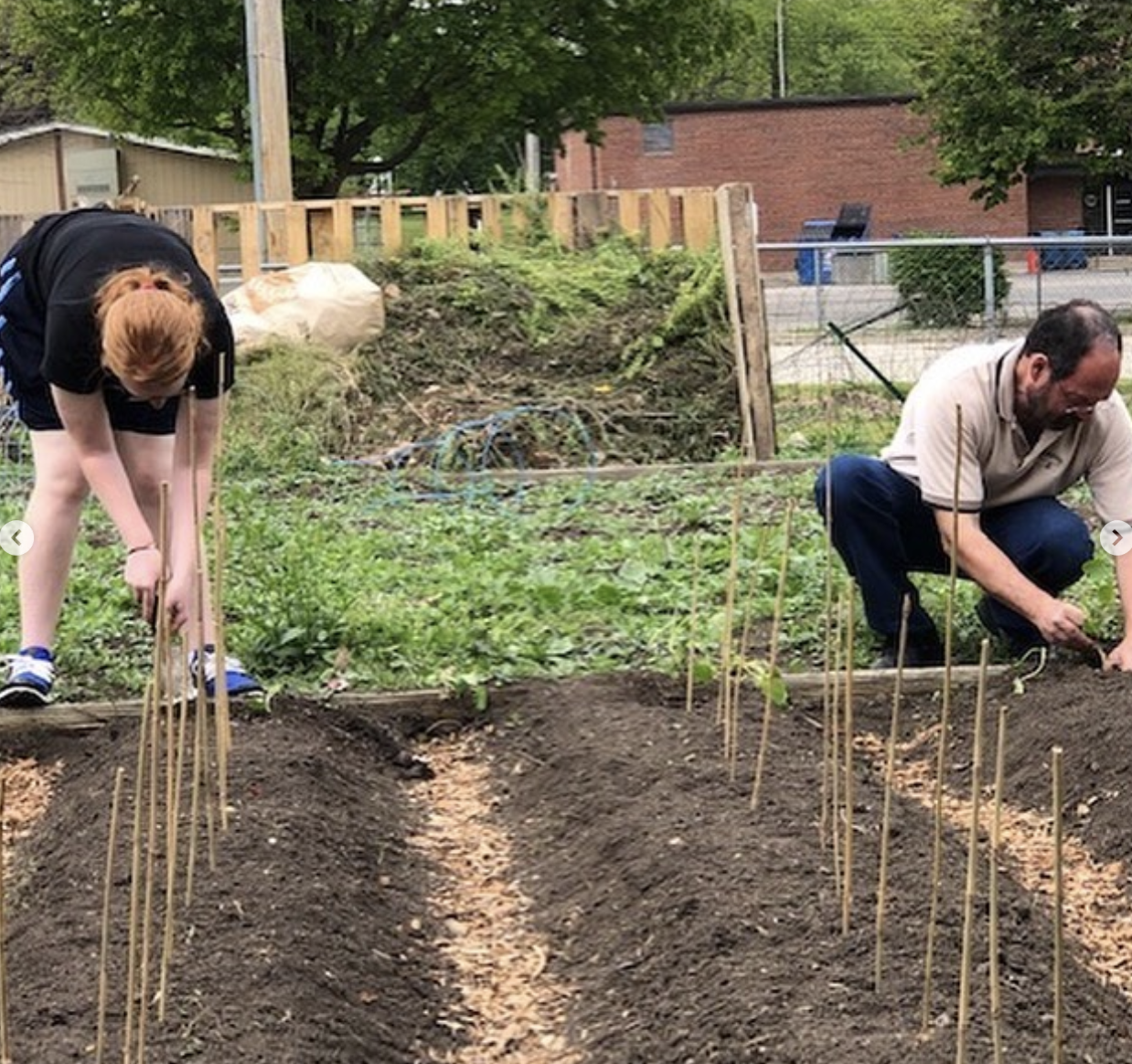
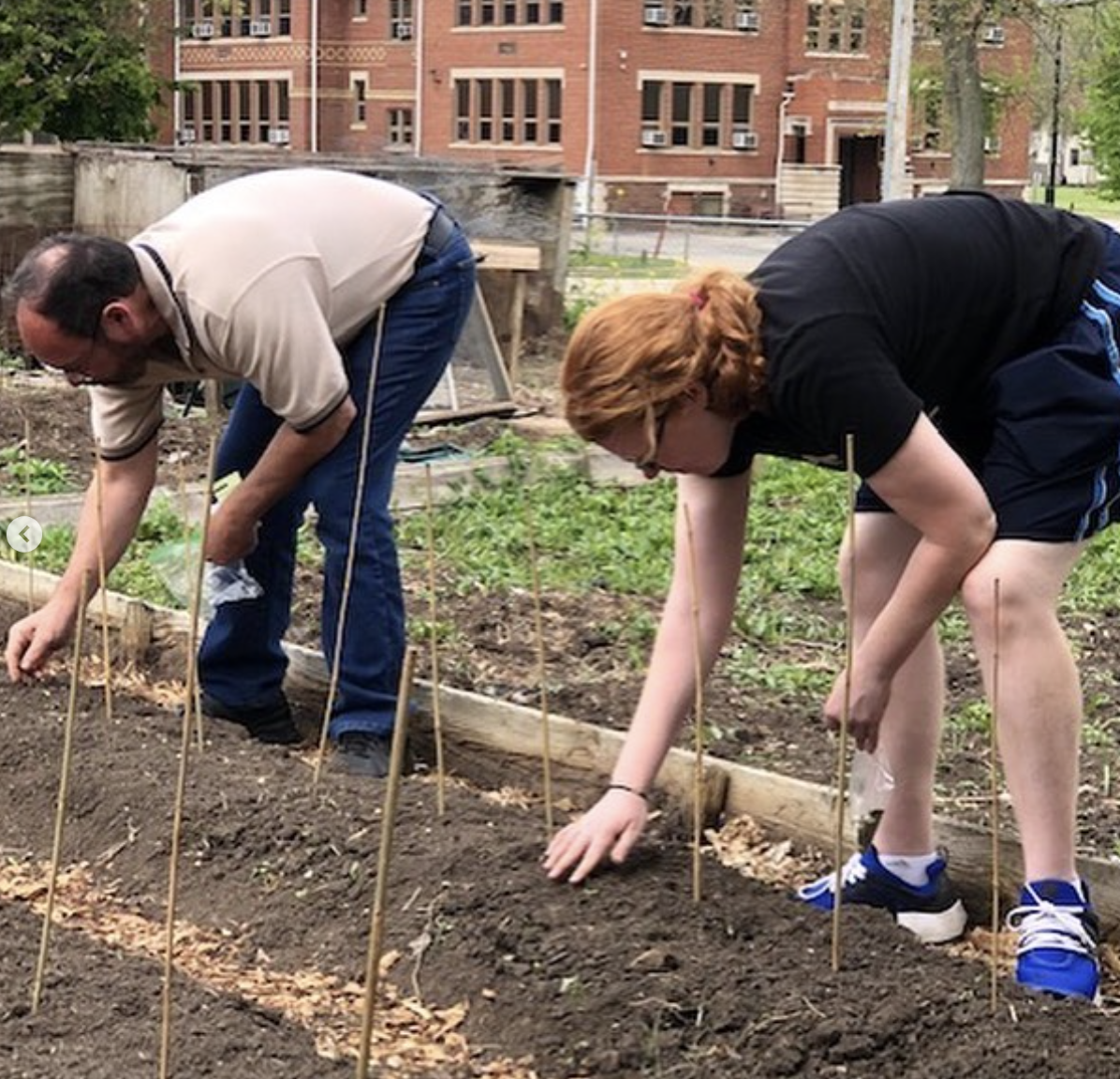
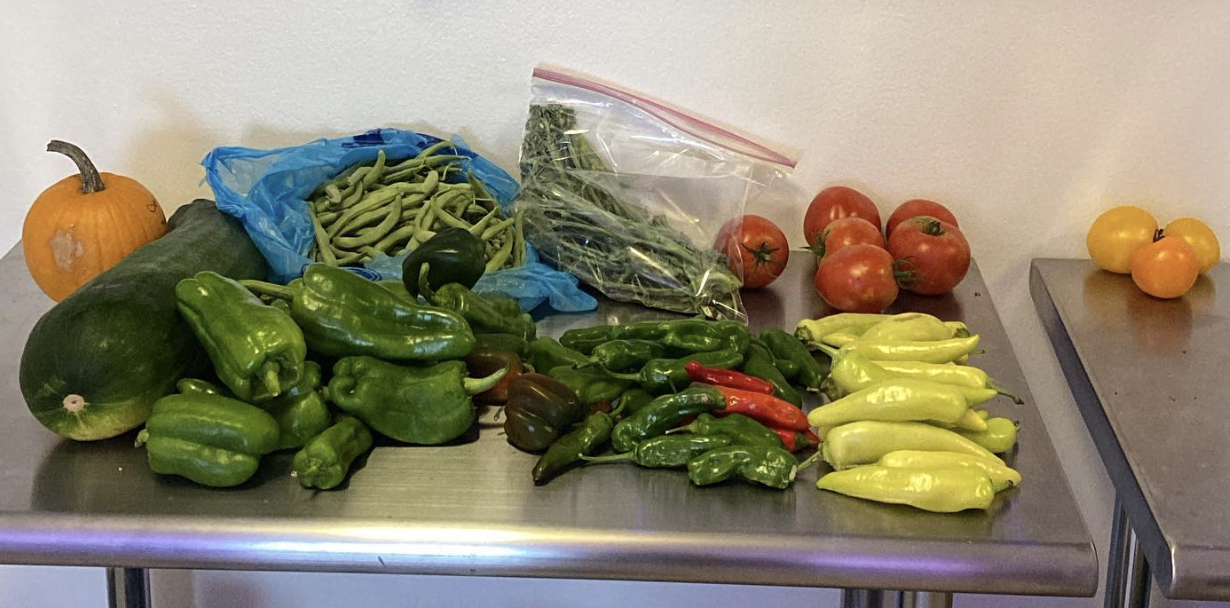
I unfortunately didn't document the stages of this garden through the summer, but I grew bell peppers, green beans (pole, not bush), mammoth sunflowers, mung beans, tomatoes, and many more things. I learned about how some of the plants fixed nitrogen in the soil, which other plants took up through their roots. Here is a picture of some of my garden haul that I got to take home.
Growing Peppers at Purdue (2018 - 2019)
During my undergraduate years at Purdue, I had many international friends. Many of them missed home and missed eating spicy peppers. I embarked on a pepper growing journey in my dorm room. I set up 1, and later 2, 6-foot folding tables in my tiny dorm room. I used pencils and red yarn to hang grow lights over the tables at an angle. It was hacky, but it worked. I consider this to be my first DIY engineering project. When I expanded my work to add an extra table to my dorm room, my physics research advisor, Dr. Francis Robicheaux called my a hoarder. He didn't see the pepper distribution system I had going on. I made many of my physics friends happy by supplying them with lots of hot peppers. In the pics below you can find these types of plants: bell peppers, cherry peppers, aji citron, banana peppers, and more.
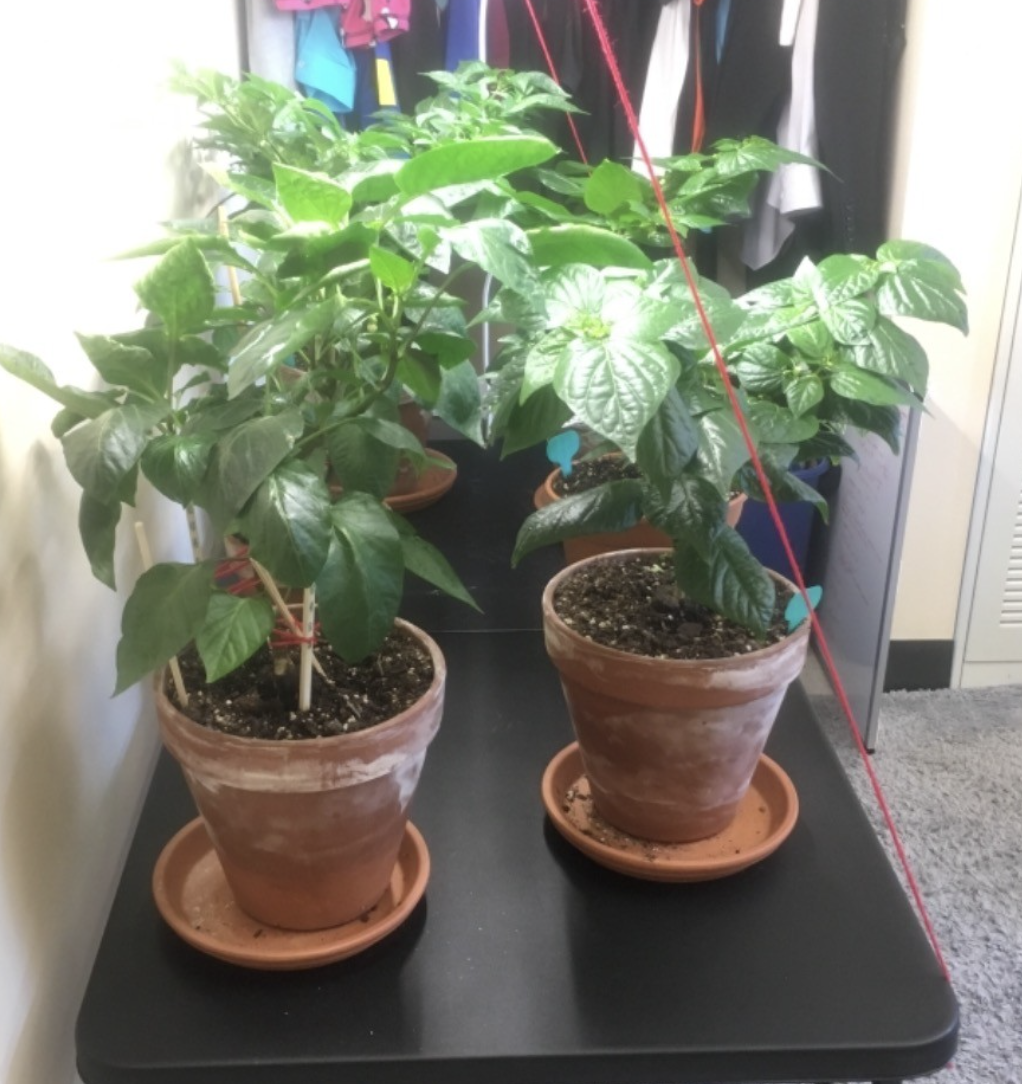
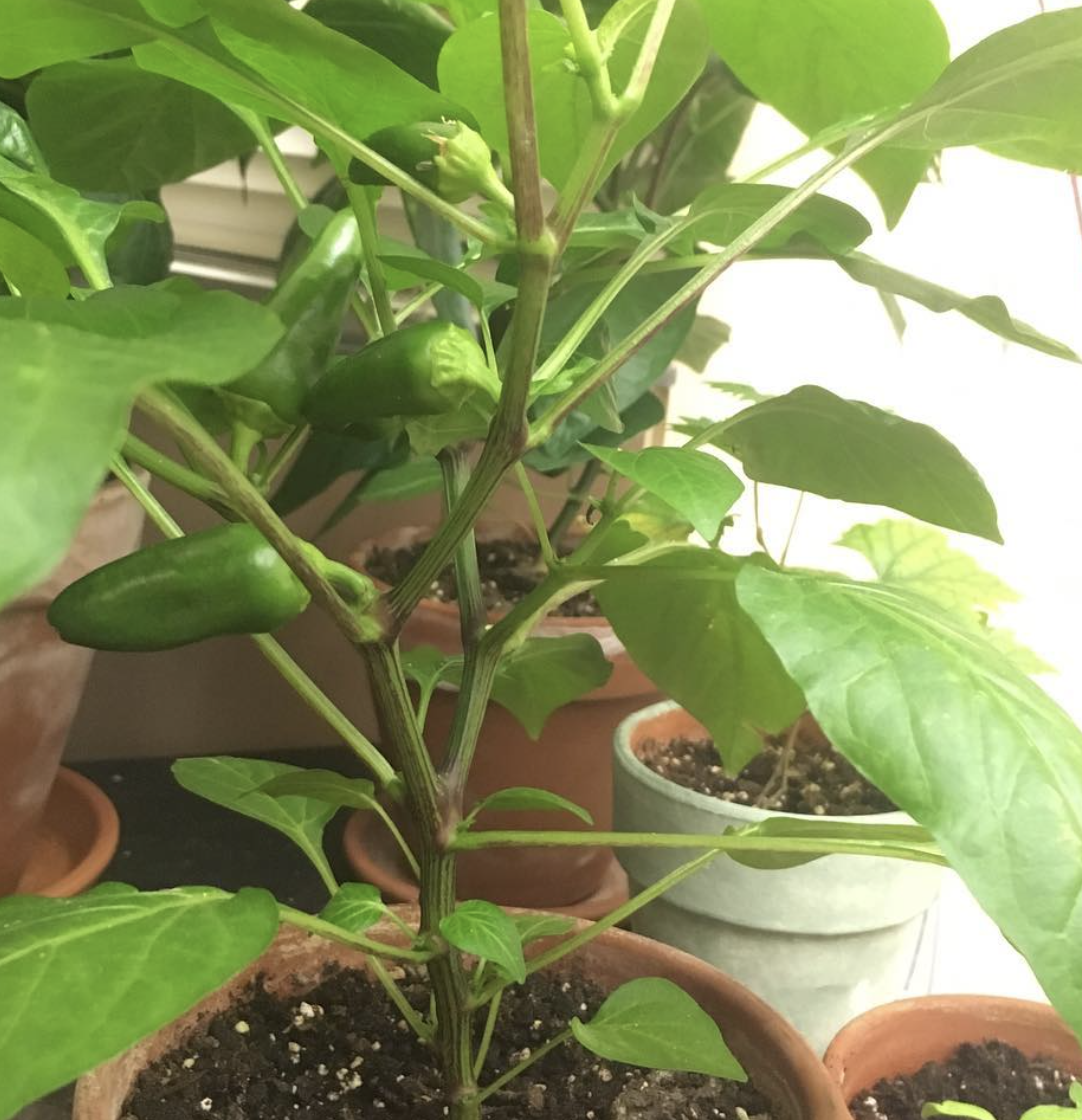
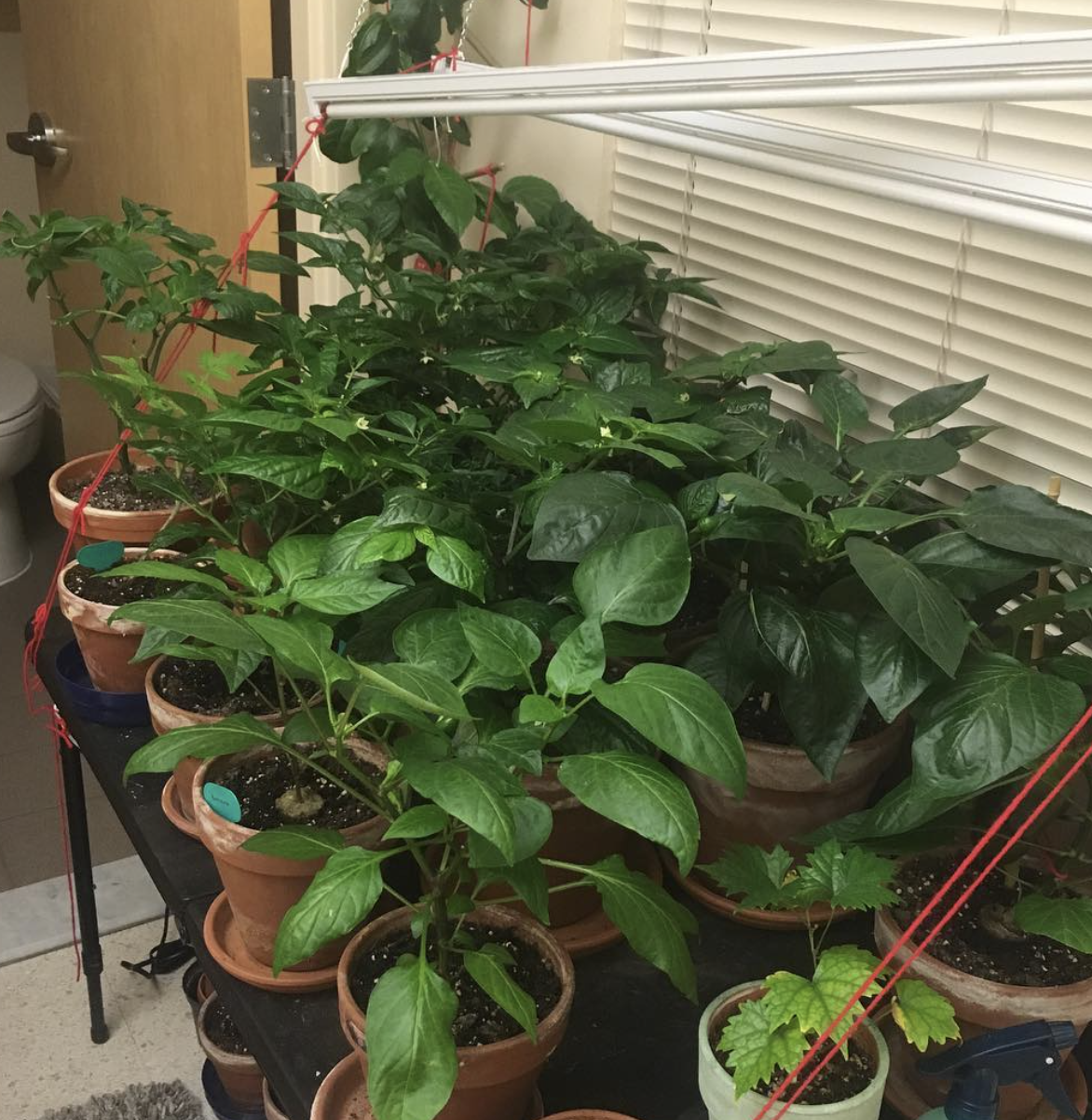
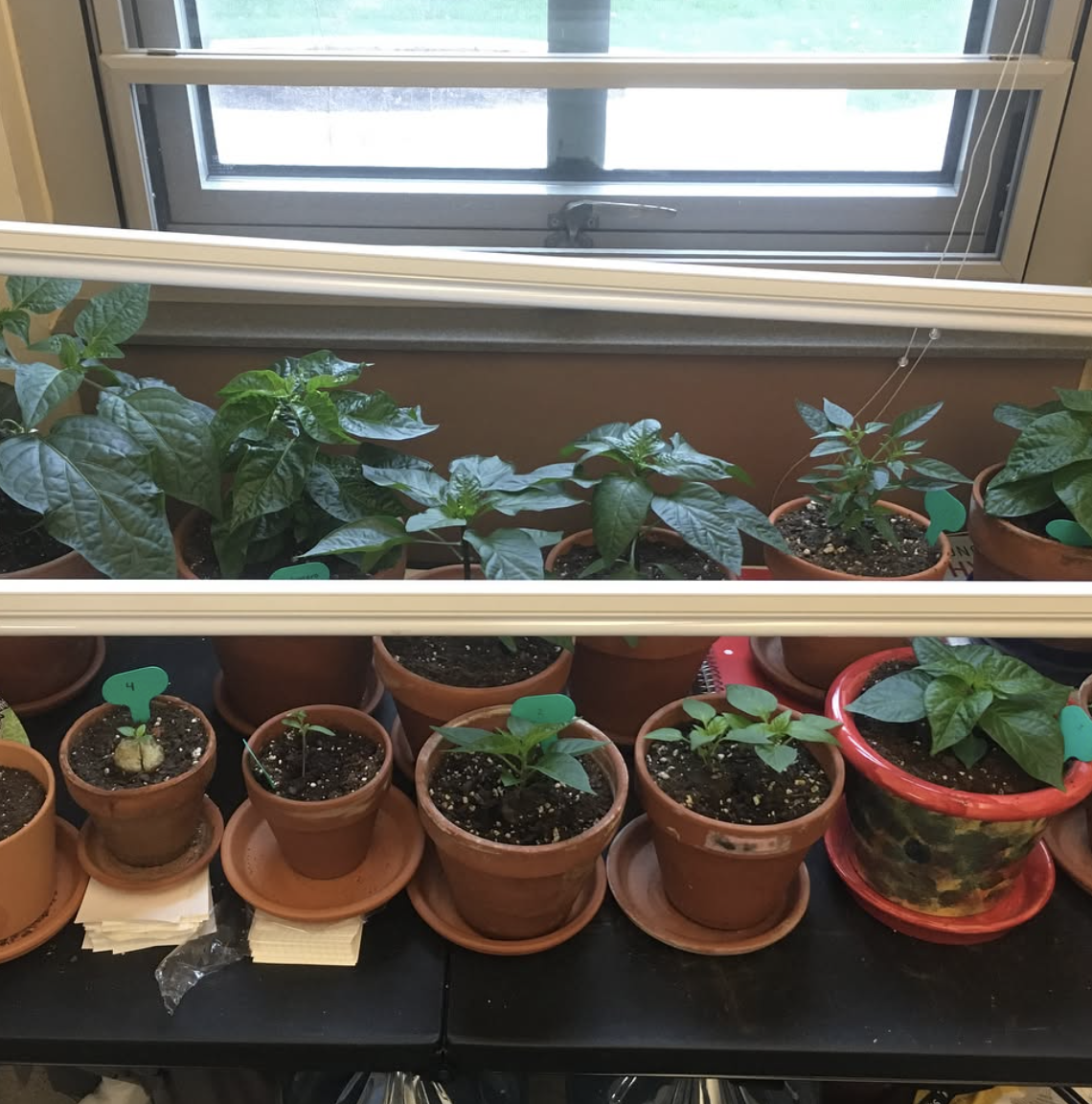
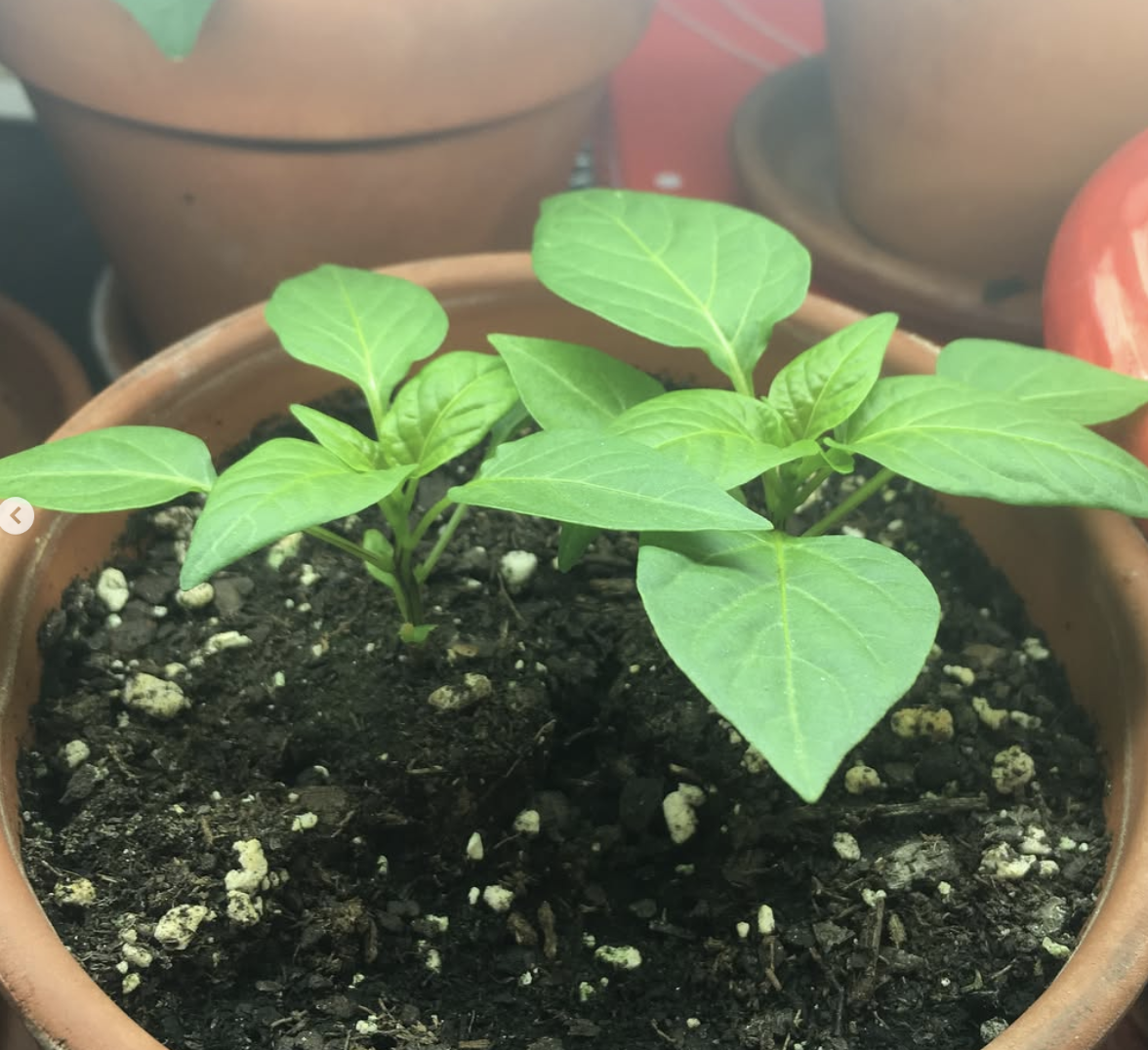

My dirt plants were hard to take care of. When they were fruiting, they wilted every day, and I had to give them a ton of water. I remember that I had to load up my parents' van every time I had a break and wanted to go home for the period so that I could take care of them. I also fought off an aphid infestation- I removed the aphids with scotch tape and home remedies, and eventually also released dozens of ladybugs in to my apartment. I was a little crazed. I thought the ladybugs would eat them, but they didn't. They ladybugs congregated in my humid bathroom, especially after showering. They kinda just sat around.
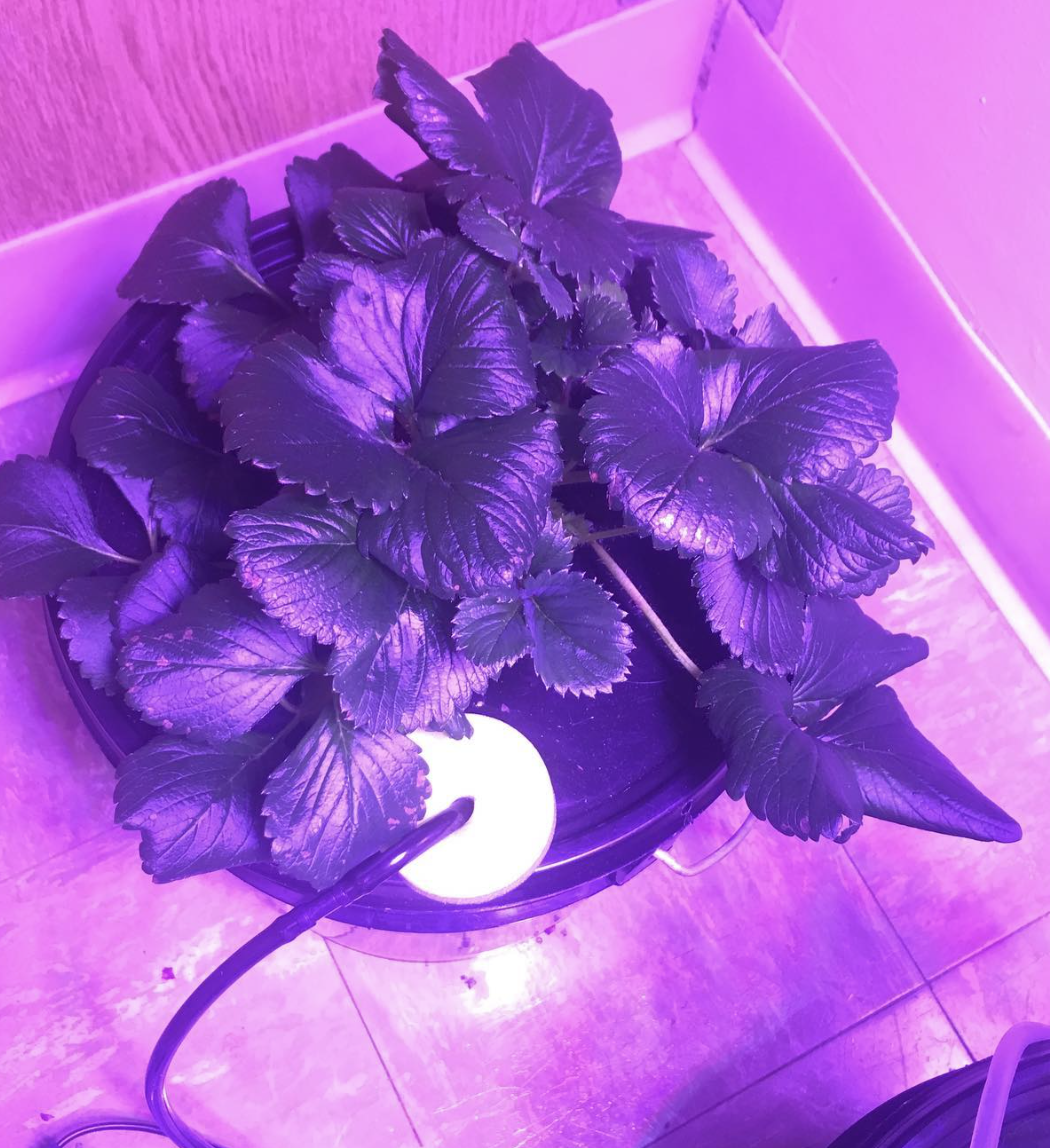
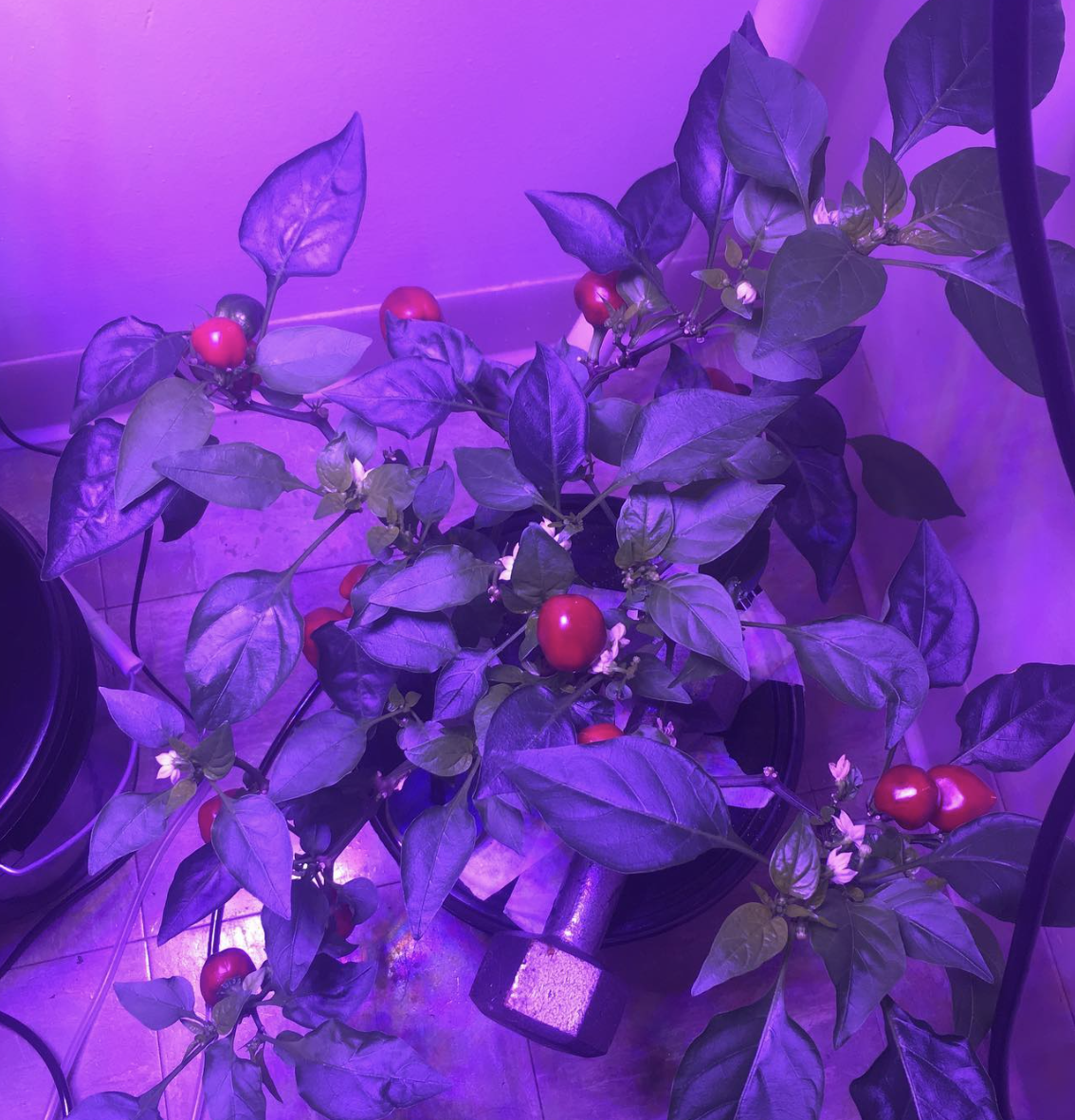
Due to my dirt plant difficulties, I eventually learned how to do hydroponics. I built a custom pvc setup over a tarp to hang lights. I used a deep water culture method, food-grade black buckets, net pots, and hydroton. I had to use air pumps, airline tubing, and air stones to aerate the roots to keep them healthy. I also had to trim those roots OFTEN. Every 2-4 weeks, I had to clean out the buckets fully with hydrogen peroxide. Despite the upkeep, I was able to go home for breaks more easily. I also had the grow lights on a timer. I bought fancy growing nutrients for this project. There was a local store called Maximum Grow that I loved going to- I always learned a ton from a lady named Tammy who worked there. I was able to donate what I grew to other students as well, which was nice. Here is a hydroponic cherry pepper and strawberry plant that I was growing.